
1740 products
1740 products
Sort by:
Products

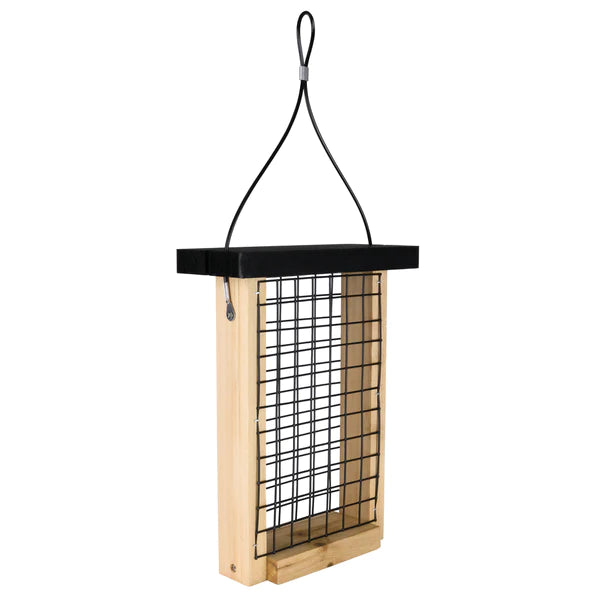
- Made with insect and rot resistant premium cedar
- Easy to fill
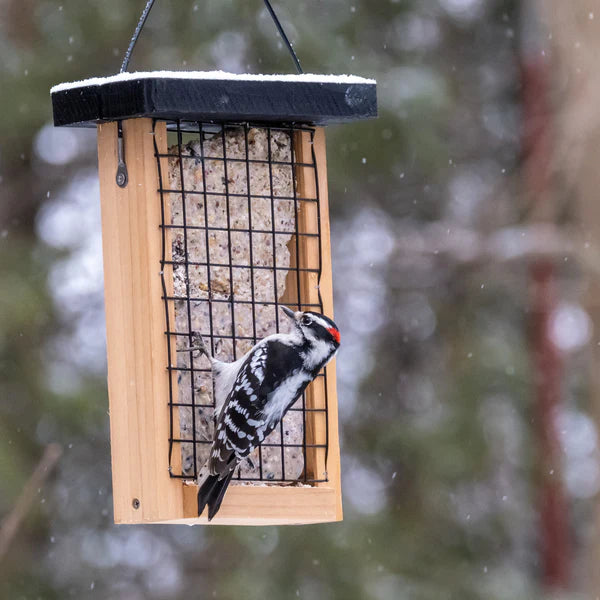
- Holds 2 suet cakes
- Powder coated steel mesh
- Rust-free hardware; stainless steel screws
- Water-based protective stain
- Vinyl coated steel hanging cable
- Exclusive 3-year warranty
- Dimensions: 10.25”H x 7.875"”W x 3”D Weight: 1lb 5oz
Seed to use: Suet Cakes
Attracts these birds: All woodpeckers, Titmice, Chickadees, Nuthatches


This perennial has a compact habit and long season of bloom. Dragon's Head forms a vigorous clump of dark green leaves topped with snapdragon like blue flowers.
Grows best in Full Sunlight
This is a less hardy perennial and should be well covered/protected during Manitoban winters.
Light Requirement: Full Sun to Partial Shade
Mature Size:
- Height: 12"
- Width: 12"
Zone: 3b


The One Touch Shower & Stream gives you complete and total water flow control with just one touch of your thumb. Thus eliminating the strain from squeezing in order to turn the water on and off. Especially great for arthritic hands! The One Touch Shower & Stream has two pattern options. Shower, a cascading flow of fine water droplets that will not harm your plants. And Stream, a concentrated jet, powerful enough to wash even the muddiest sidewalks. The One Touch Shower & Stream fits comfortably in your hand. This nozzle is made with heavy-duty metal and is available in Dramm’s six bright colors: red, orange, yellow, green, blue and berry. Lifetime guarantee.
-
Eliminates squeezing in order to turn the water on and off. Made with heavy-duty construction.
-
Gives you complete and total water flow control with just one touch of your thumb. Two pattern options: shower, a cascading flow of fine water droplets that will not harm your plants and stream, a concentrated jet, powerful enough to wash even the muddiest sidewalks.
-
Zinc and TPE Rubber

Water with ease with the one touch rain wand. Allows complete and total water flow control with just one touch of your thumb. Thus eliminating the strain from squeezing as in many current watering tools. Efficiently saves water while watering from one plant to the next. Made with aluminum for a lightweight and durable feel and has rubber over mold for additional protection at the natural wear-point. The one touch rain wand is available in 16″ lengths in red, green, blue and berry colors and 30″ lengths in 6 enticing colors: red, orange, yellow, green, blue and berry. Lifetime guarantee to the consumer. Any of the one touch rain wands can be color coordinated with Dramm’s color storm premium rubber hose.
Efficiently saves water while watering from one plant to the next. Eliminates the strain from squeezing as in many current watering tools.
Gentle, full flow for quick watering. Allows complete and total water flow control with just one touch of your thumb.
Aluminum, Zinc, Brass, TPE Rubber

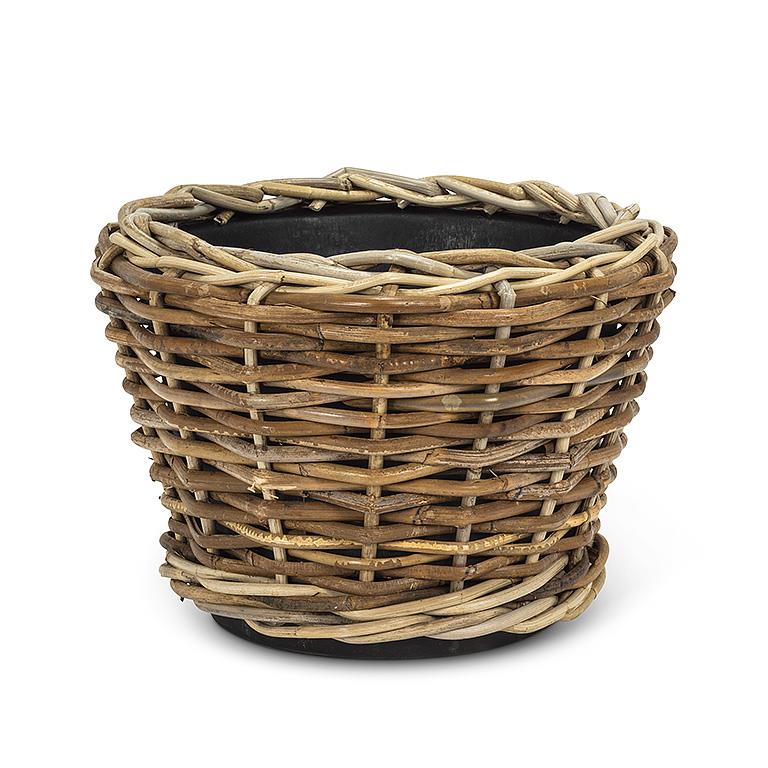
Enjoy the look of handmade craftsmanship and the durability of plastic with this Drypot medium-sized round low woven planter. Crafted out of handmade rattan with a recycled plastic liner, Drypot’s unique design ensures the rattan basket never touches outer surfaces for greater durability. No drainage holes makes it suitable for indoor use.
Medium:
13" Diameter
10" Opening
Small:
10.5" Diameter
8" Opening
From $9.95
Unit price perFrom $9.95
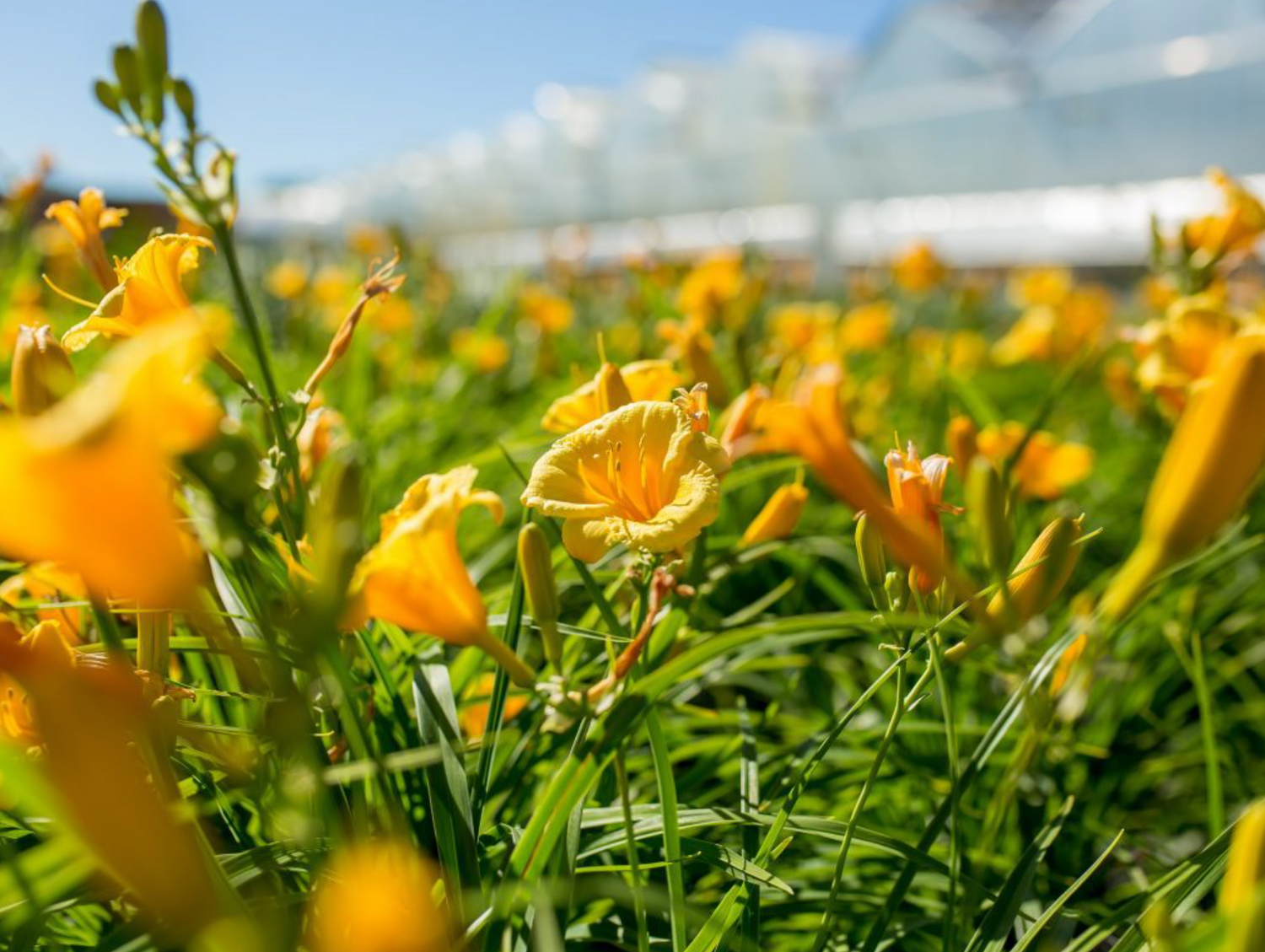
Unit price perThe 'Stella D'Oro" Dwarf is a re-blooming daylily with fragrant, bright yellow flowers, and brightens any space it occupies with its wonderful colour.
Light Requirement: Full Sun to Partial Sun
Mature Size:
- Height: 12 - 18"
- Width: 12 - 14"
Zone: 3
Photos courtesy of Jeffries Nursery

Dwarf Grey Sugar snow pea seeds produce the earliest and most dwarf edible pods of all. The prolific, bushy vines grow to 1.5m (5') tall, and benefit from staking. Very attractive sweet pea-like flowers are followed by clusters of flat, fleshy, curved, semi-pointed pods. These are light green and average 6-8cm (2.5-3"), appearing at the tops of the plants for easy picking. This old heirloom variety was listed once as Dwarf Gray Sugar Cabbage Pea, and has been in production since before 1773. Dwarf Grey Sugar snow pea seeds were first sold commercially in 1892 by D.M Ferry and Company. This is one of the best choices for growing pea shoots and pea tips.
Matures in 66 days. (Open-pollinated seeds)
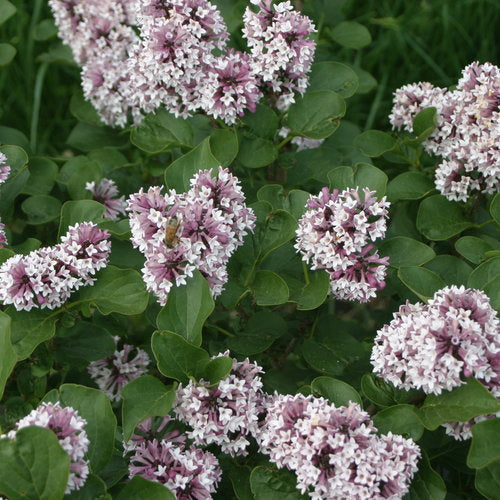
Yes, you have space for a delightfully fragrant lilac! Dwarf Korean lilac packs in a lot of flower power. Enjoy glossy, dark green foliage, an abundance of fragrant purple blooms that don't fade to white, and a useful rounded habit that fits into just about any sunny spot. It brings all the joy of lilacs into a neater, tidier package so you can enjoy this classic flowering shrub with smaller space requirements.
Light Requirement: Full Sun
Mature Size:
- Height: 3'-5'
- Width: 3'-5'
Zone: 3
Photos courtesy of Proven Winners

Maintains dwarf mounding habit with height reaching between 4-6"
Exposure: Full Sun

Maintains dwarf mounding habit with height reaching between 4-6"
Exposure: Full Sun

Light Requirement: Full Sun
Height: 7'
Width: 3'

A ceramic pot with saucer for indoor or outdoor use
- Clean, modern shape with subtle banded detail.
- Size: 15 cm (5.9 in).


Easter Egg II radish seeds are a blend of six distinctly coloured radishes. The flesh is white and the roots can become relatively large without getting pithy. Look for white, rose pink, bubblegum pink, amethyst, mauve, scarlet and purple roots. The uniform roots are round, crisp, and flavourful, with tops that are good for bunching. Get the most out of your radish bed with this blend of diverse colours for spring and fall growing. Provide some frost protection, and you may be able to grow for winter harvests. Once radishes begin to bolt in response to warm soil in early summer, they should be pulled and composted. The process cannot be reversed, and a bolting radish is no good for eating.
Matures in 28 days. (Open-pollinated seeds)

The Easy Sprout Sprouter stands only 18cm (7") tall, and it holds 1L of water. By switching out the seive sizes, the easy sprout can accommodate large or small sprouting seeds. It's made from BPA-free, non-leeching, high-density polyethylene. Simply grow your sprouts and pop them in the fridge.

A variety of beautiful echeveria in shades from blue/greens to reds.
Easy to care for with bright indirect sunlight. Keep moderately dry.


From $9.95
Unit price perFrom $9.95
Unit price per Light Requirement: Full Sun
Flowering Season: Summer
Mature Size:
-
Height: 30"
-
Spread: 18"
Zone: 4A
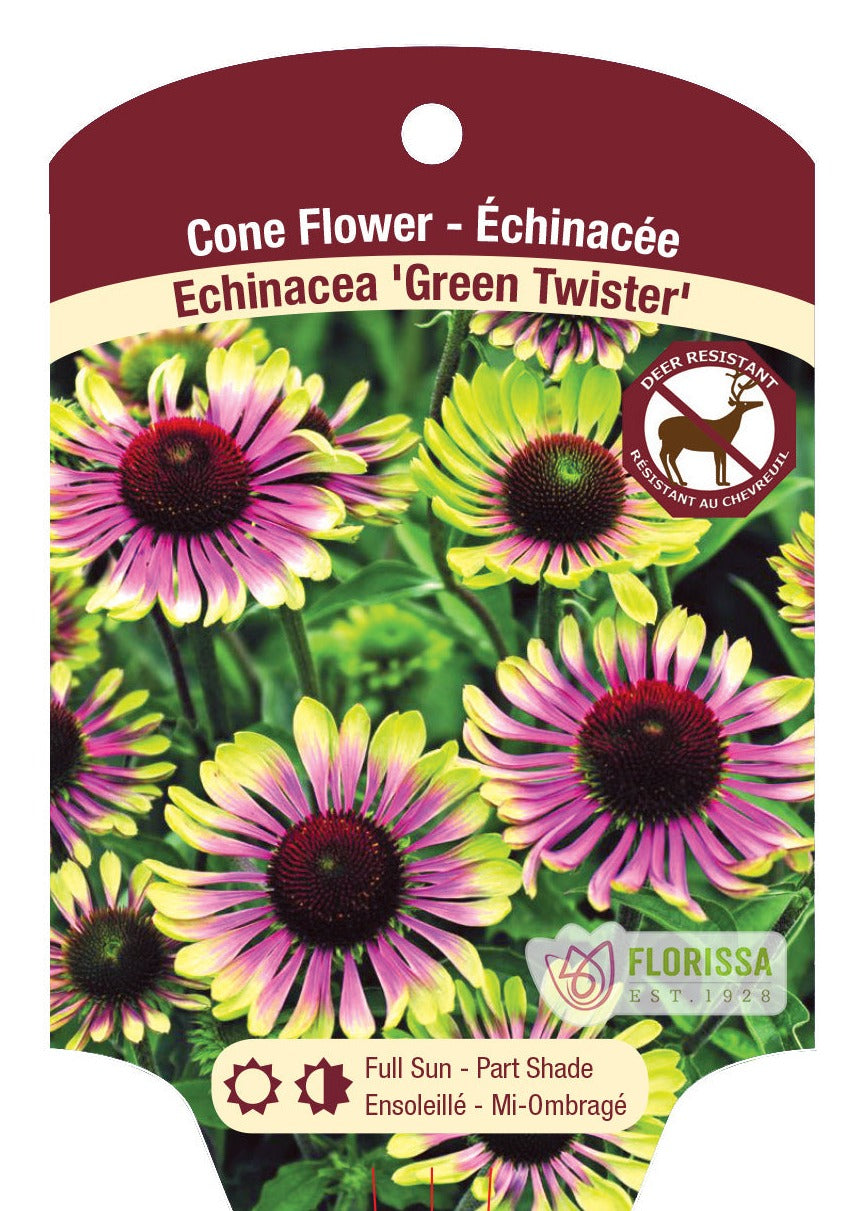
Light Requirement: Full Sun to Partial Shade
Flowering Season: Summer
Mature Size:
-
Height: 36 - 48"
-
Spread: 12 - 24"
Zone: 3
Photo and data courtesy of Van Noort Bulb Co. & Florissa.

Light Requirement: Full Sun
Flowering Season: Summer
Mature Size:
-
Height: 60"
-
Spread: 24"
Zone: 3
Photo and data courtesy of Van Noort Bulb Co. & Florissa.
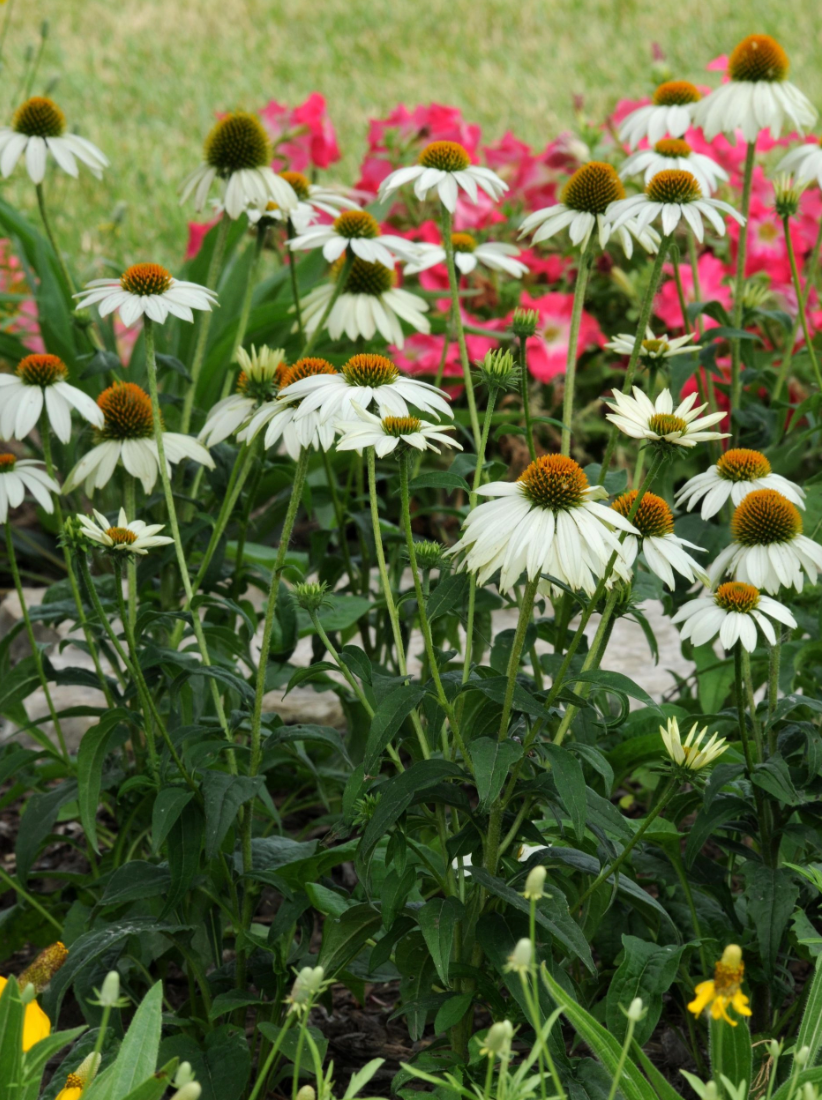
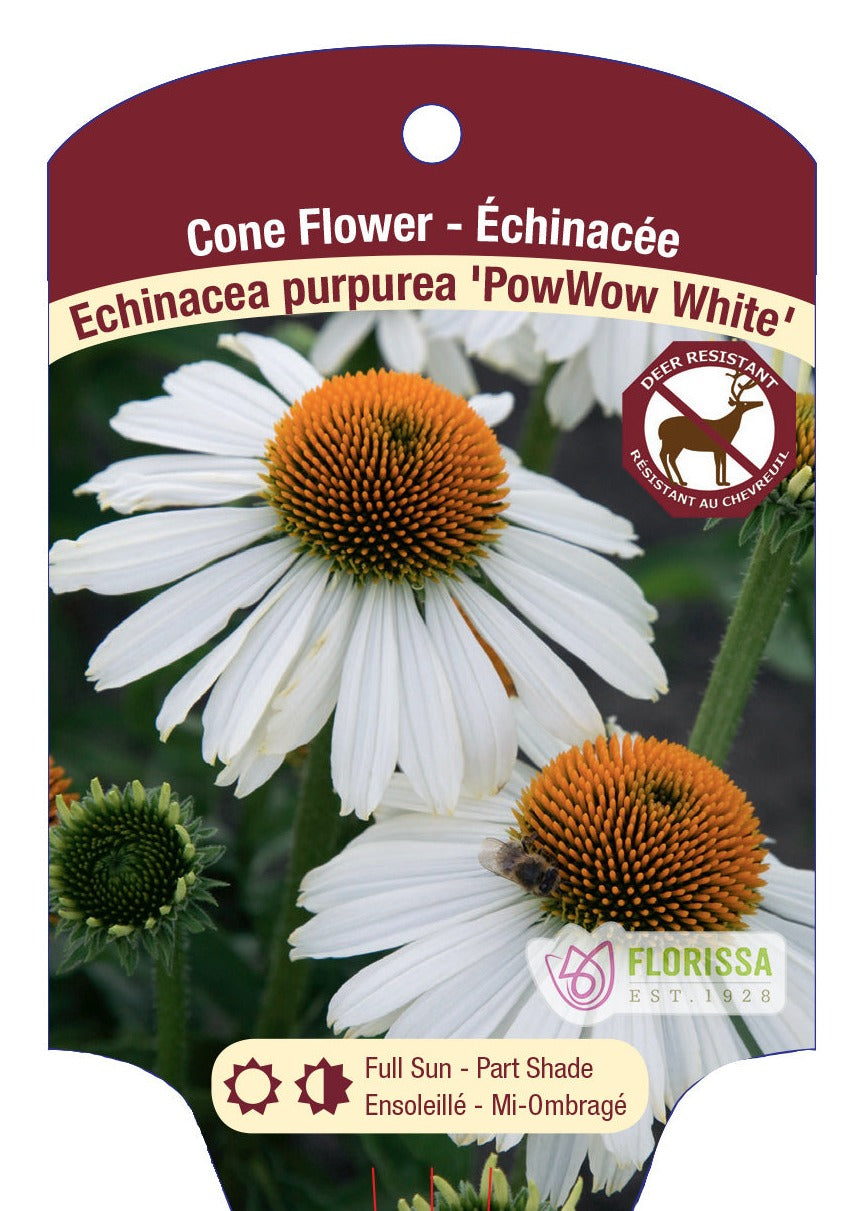
From $9.95
Unit price perFrom $9.95
Unit price perLight Requirement: Full Sun to Partial Shade
Flowering Season: Summer
Mature Size:
-
Height: 12 - 24"
-
Spread: 12 - 24"
Zone: 3
Photos and data courtesy of Ball Horticultural
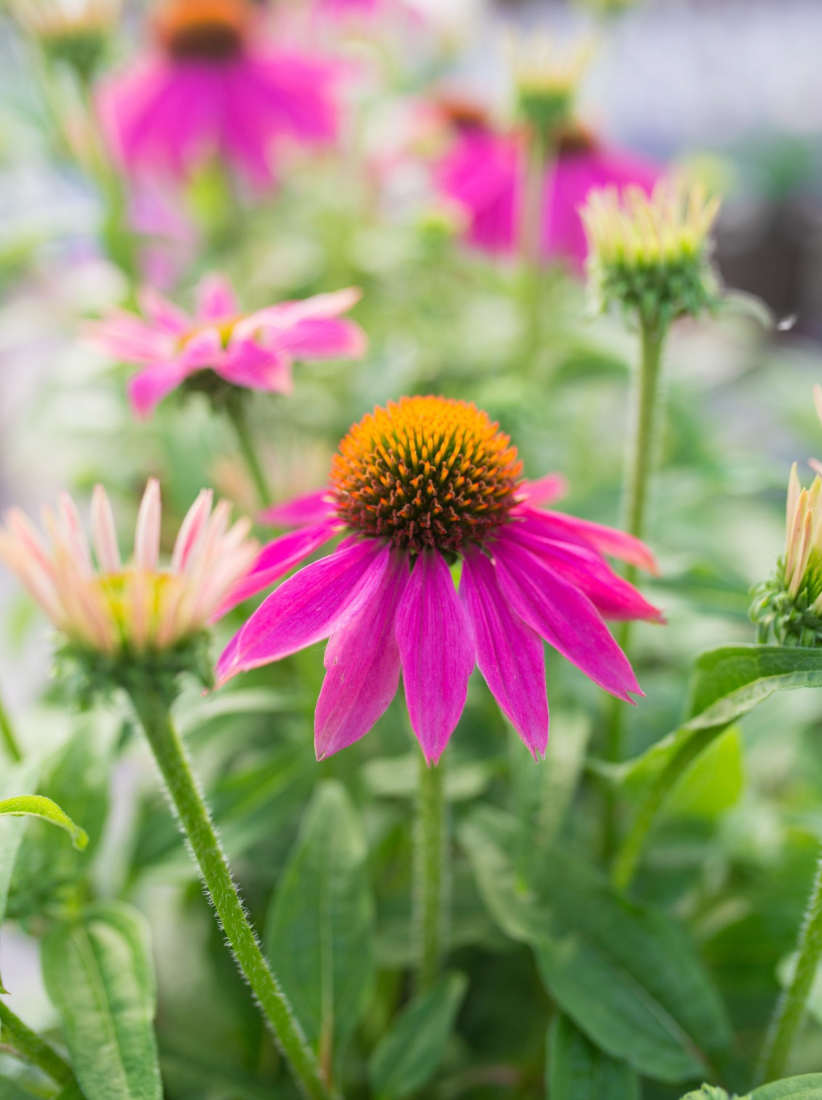
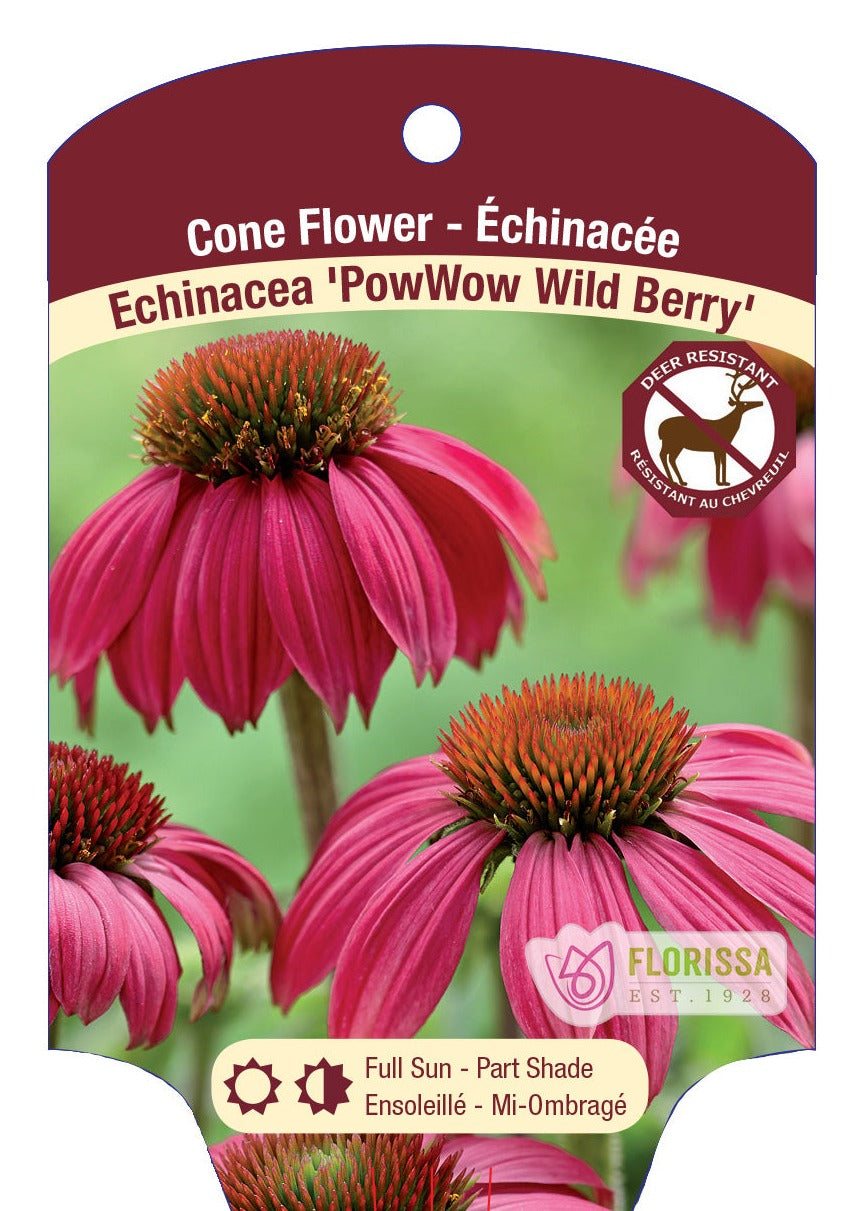
From $12.95
Unit price perFrom $12.95
Unit price perLight Requirement: Full Sun to Partial Shade
Flowering Season: Summer
Mature Size:
-
Height: 12 - 24"
-
Spread: 12 - 24"
Zone: 3
Photos courtesy of Jeffries Nursery

From $9.95
Unit price perFrom $9.95
Unit price perLight Requirement: Full Sun
Flowering Season: Summer
Mature Size:
-
Height: 14 -16"
-
Spread: 6 - 8"
Zone: 3