
1738 products
1738 products
Sort by:
Products
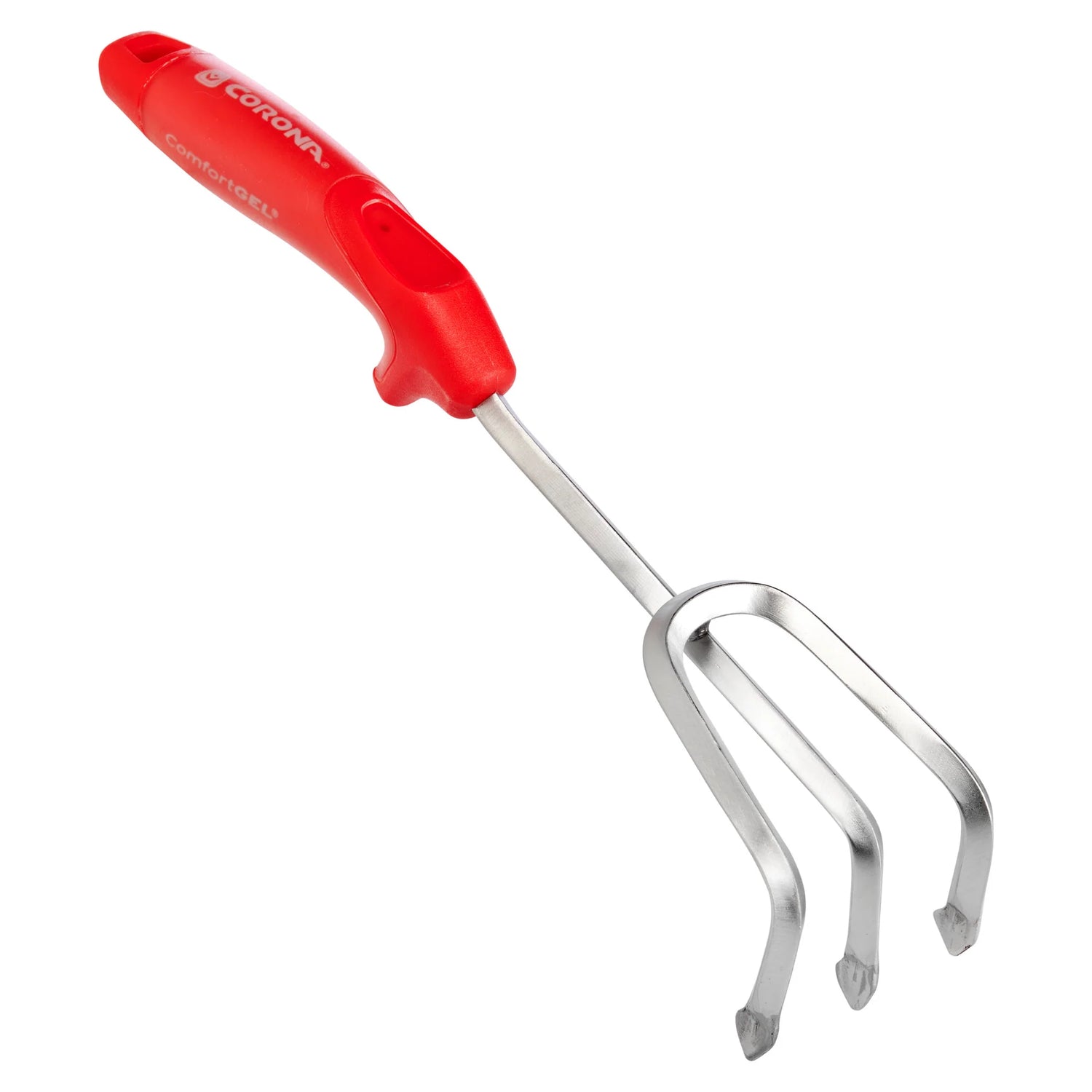

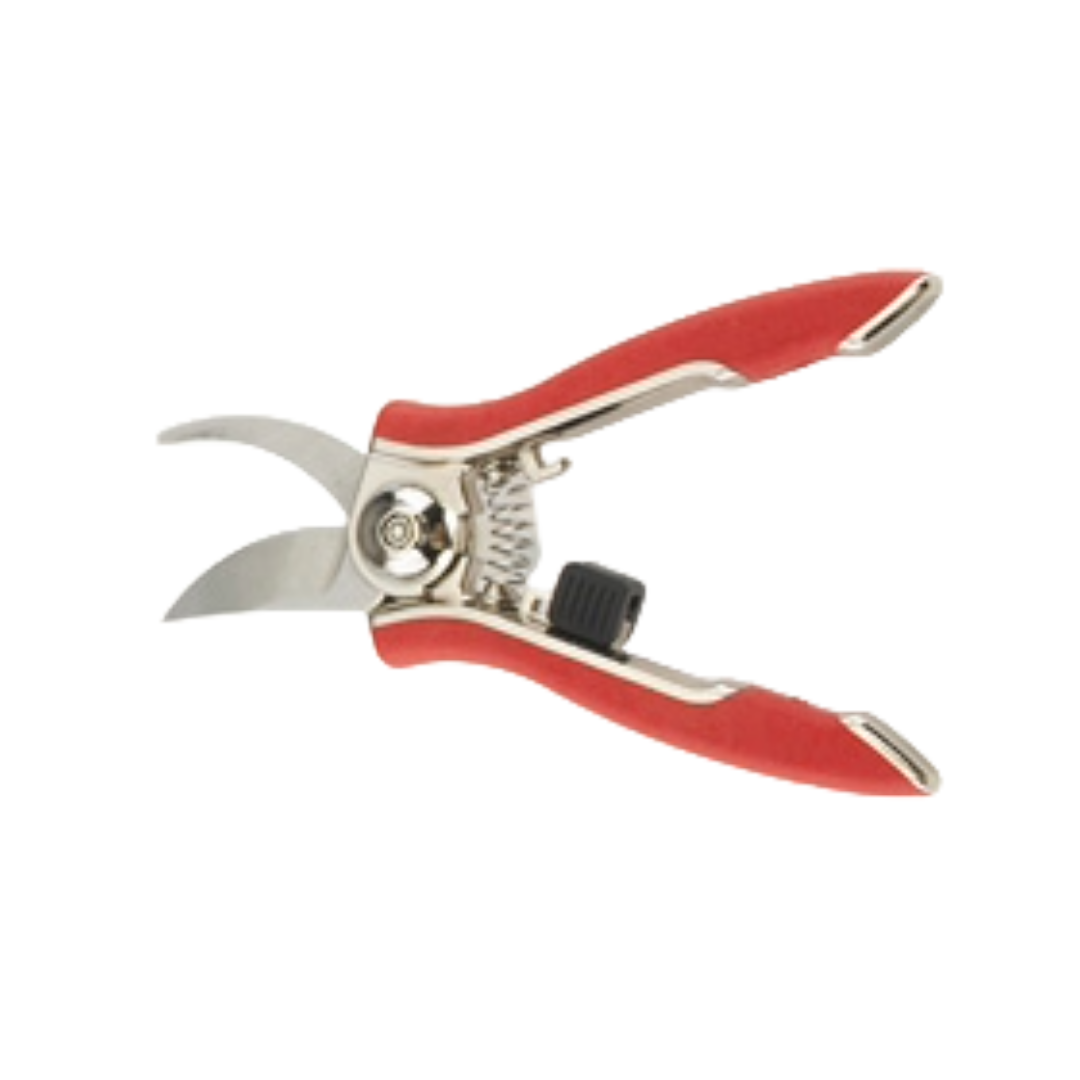
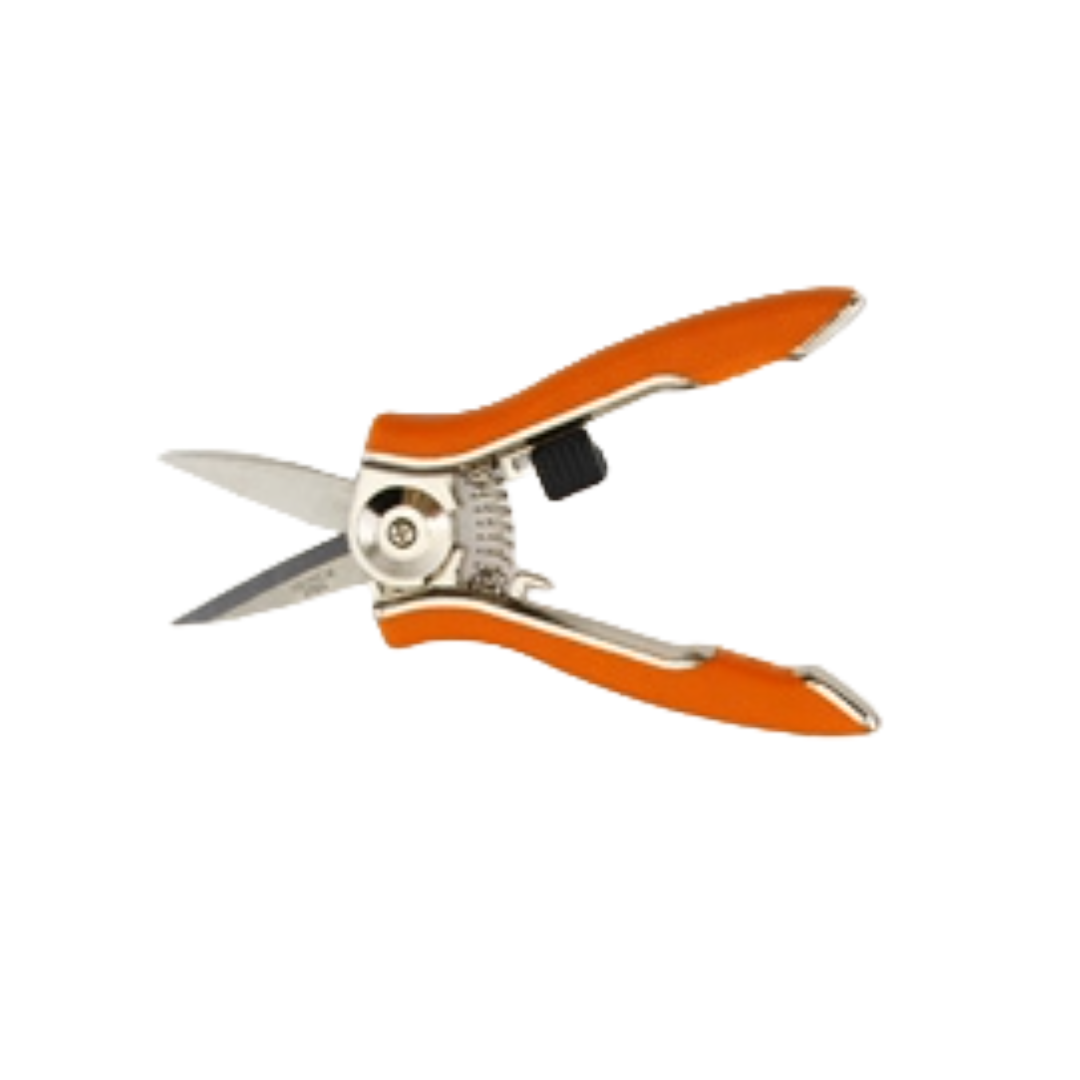
We've pruned enough plants in our time to know good quality hand tools. All our Dramm tools have stood the test of time and are as sharp as the day we bought them.
This combo set gives you a shear and pruner, perfect for keeping your garden looking sharp!


Sleek and sculptural, this Cone Tree Stocking Holder brings a modern sensibility to classic holiday traditions. Crafted in polished gold metal with vertical ridging, its streamlined tree silhouette feels architectural yet festive. Designed to anchor stockings securely while elevating the fireplace or mantel with refined seasonal style.
8.5"H
Metal
-
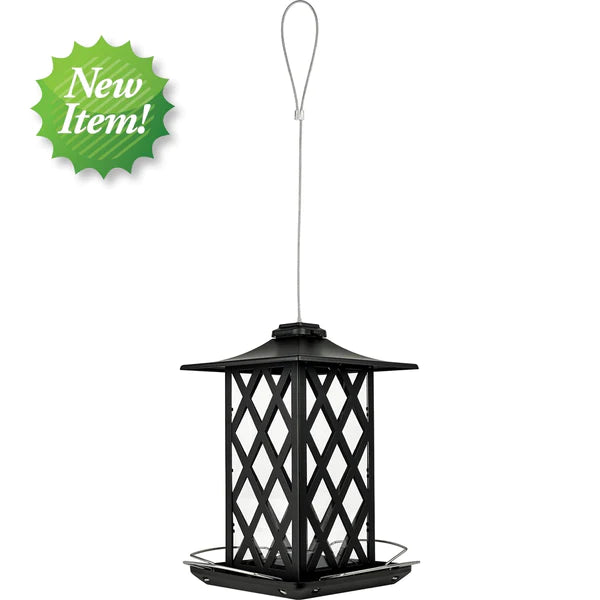
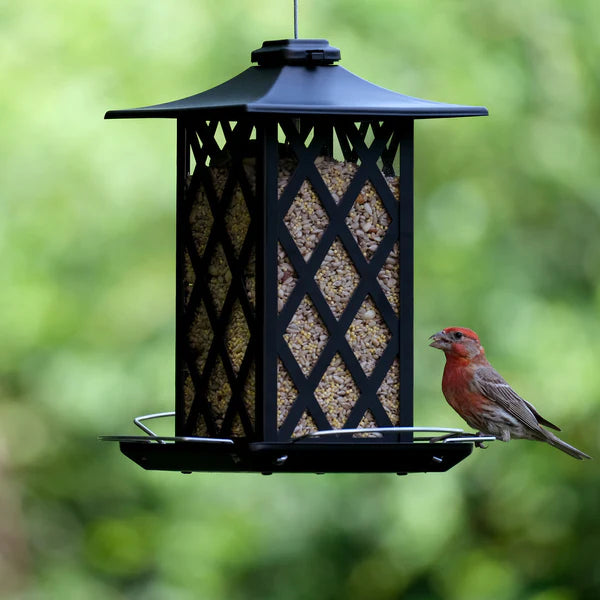
Add a touch of elegance to your yard with this contemporary lantern gazebo bird feeder!
-
Large and small bird spacing for attracting a wide variety of birds
-
Channeled base with drainage holes directs water for better drainage to keep seed fresher longer
-
Seed diverter base directs seed to feeding areas giving birds easy access
-
Wide opening and stay-open roof enables easier filling while hanging
-
Dimensions: 9.8”H x 9.5”W x 9.5”D Weight: 1.75lb Capacity: 1.56 qts
Seed to use: Black oil sunflower, striped sunflower, hulled sunflower, safflower, cracked corn, nuts, mixed
- Attracts these birds: Cardinals, Grosbeaks, Titmice, Nuthatches, Chickadees, Juncos, Finches


Lily of the Valley is easy and adaptable, this will even grow well in tubs or mixed containers. A favourite for growing as a ground-cover in shady areas, be sure to Protect from afternoon sun. Plants form a spreading clump of large green leaves, bearing short spikes of fragrant white bells in late spring.
Takes a year or two to establish, then spreads quickly. May go dormant in summer.
Tolerant of poor soils, even dry shade, but prefers a rich, moist soil.
CAUTION: Toxic if eaten.
CAUTION: Do not discard unwanted plants in any natural areas, as they will establish themselves and become invasive.
Light Requirement: Full to Part Shade
Flowering Season: Summer
Mature Size:
-
Height: 6"
-
Spread: 12"
Zone: 2

From $9.95
Unit price perFrom $9.95
Unit price perCoreopsis also known as Tickseed, form a mound of leathery green leaves, bearing many upright stems of daisy type flowers for weeks starting in early summer. Removing faded flowers regularly will encourage blooming to continue into the fall.
Tolerant of hot, humid summer climates and attractive to butterflies.
Light Requirement: Full Sun
Flowering Season: Summer
Mature Size:
-
Height: 24"
-
Spread: 16"
Zone: 3b
photo courtesy of Ball Seed


Moonbeam Coreopsis form a mound of ferny green leaves, bearing many upright stems of single daisy type flowers for weeks starting in early summer. Removing faded flowers regularly will encourage blooming to continue into the fall.
Tolerant of hot, humid summer climates. Attractive to butterflies.
Light Requirement: Full Sun
Flowering Season: Summer
Mature Size:
-
Height: 16"
-
Spread: 18"
Zone: 4

Also known as Tickseed, these plants form a mound of leathery green leaves, bearing many upright stems of daisy type flowers for weeks starting in early summer.
Removing faded flowers regularly will encourage blooming to continue into the fall. Tolerant of hot, humid summer climates. Attractive to butterflies.
Light Requirement: Full Sun to Partial Sun
Mature Size:
- Height: 14 - 18"
- Width: 14 - 18"
Zone: 3
Photos courtesy of Stokes Seeds

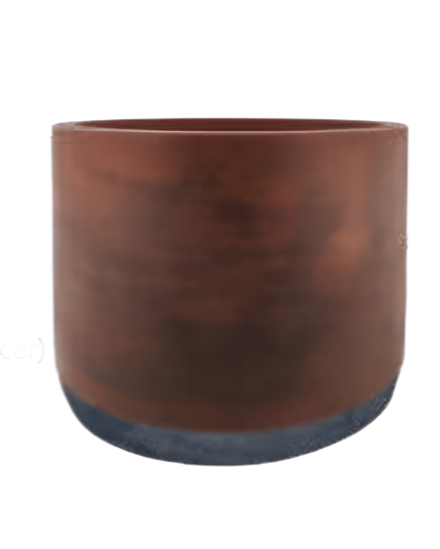
Round Cylinder Planter Corton Steel with a Lead Base
Medium: Diameter: 14" Height: 11.75"
Large: Diameter: 22.5" Height: 17"
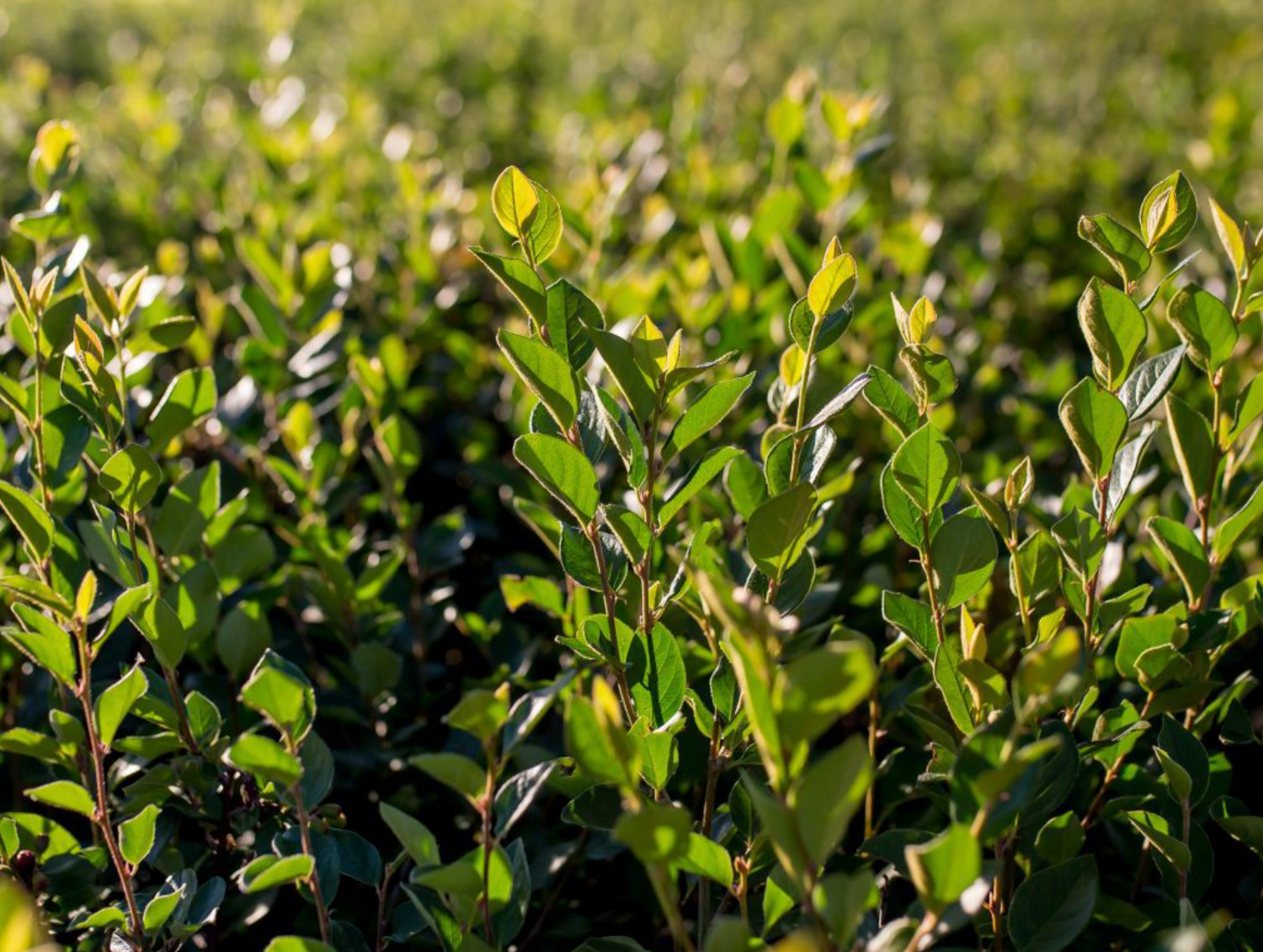
Upright shrub makes an excellent hedge and produces bluish-black berries in summer. Good red fall colour. Most often used in mass plantings or hedges. Pruning should be done in early spring before shrub leafs out.
Light Requirement: Full Sun to Partial Shade
Mature Size:
- Height: 6 - 8'
- Width: 4 - 5'
Zone: 2
Photos courtesy of Jeffries Nursery

Professional lawn fertilizer for the home gardener. Of the total nitrogen, 50% is stabilized nitrogen that resists leaching and volatilization. Stabilization extends the life of each fertilizer application, improving nitrogen efficiency. With iron and micro nutrients.
Coverage: 5000 sq.ft.

4" pot
Cowboy Cactus is a distinctive and popular cactus species renowned for its iconic appearance and low-maintenance nature.
Light Requirement: Cowboy Cactus thrives in full sun, requiring at least 6 hours of direct sunlight daily to maintain its health and vibrant green color. Place it near a sunny window or in a location with ample sunlight exposure.
Watering Requirement: Allow the soil to dry out completely between waterings, then water deeply. Cowboy Cactus is highly drought tolerant and susceptible to root rot if overwatered. During the winter months, reduce watering frequency to mimic its natural dormant period.

Wrap yourself in the comfort of warm cashmere musk, sweet vanilla and soft woods.
Burn time: 60-70hrs.
Phthlate free.

Embrace the warm, inviting scents of the holiday season with our Cozy Cranberry Soap Bar. This classic holiday scent blends the warmth of cranberry, cinnamon, and spicy clove, creating a festive and cozy scent you won’t want to miss out on!
Handmade with care by our local team, the Cozy Cranberry Soap Bar was specially designed from start to finish by Olivia, our in-house soap maker and we couldn’t be happier with how beautiful this soap bar is and how incredible it smells.
Ideal for gifting, this soap bar is a wonderful gift to give friends, family and for holiday gift exchanges. Treat yourself or someone special to the warm, comforting scent of Cozy Cranberry Soap Bar this holiday season!
Make your holidays even cozier this season with our Cozy Cranberry Soap Bar!

Cozy Cub Felt Ornament, A Handcrafted Touch of Christmas Decor
Add a heartwarming accent to your holiday styling with the Cozy Cub Felt Ornament, a charming piece of Christmas decor designed to bring warmth, personality, and mindful craftsmanship to your seasonal displays. With its soft white felt body, contrasting stitched details, and playful green scarf, this cheerful cub feels right at home on a tree, mantel, or festive vignette.
Materials & Composition: 60% Wool, 40% Polyester
Care Instructions: Clean with Damp Cloth
Features & Benefits:
Thoughtfully made using sustainable materials for eco-conscious Christmas decor
Felt ornaments brought to life with tiny stitches and playful, character-driven details
Each piece is lovingly handmade by women artisans in India, crafted with care, skill, and joy


Excellent pollinator. 2" pale yellow crabapples with sweet, nut-like flavor. Great for eating, cooking or making jellies.
Light Requirement: Full Sun
Mature Size:
-
Height: 13' (Dwarf 10')
-
Width: 13'
Zone: 3
Photos courtesy of Aubin Nursery & Bellwyck Horticolor.


Creamy lemon green tea is mildly caffeinated. This particular tea is one that is found in our tea flight due to its being ever so popular. There is a creamy vanilla note blended with lemongrass which gives it a lemon meringue scent.

This Evelvated Planter is ideal for those with mobility issues. It also can create space on small a small patio, opening up space below for shade loving plants.