
79 products
79 products
Sort by:
October Sale


Alpenglow® is a red-leafed, upright hybrid maple that is hardy down to –30F. In spring, merlot leaves dance on arching branches; translucent veins help them catch the light and glow. The deep red mellows to a burnished bronze in summer and finally turns to blazing orange and red in fall. A refined oval habit and sturdy branching make Alpenglow® a majestic centerpiece that you can rely on for a colorful show year after year. Our hybrid maples have proven to be resilient trees that can handle whatever challenges nature throws at them.
- Garden Size: 20’H x 15’W
- Growth Rate: 12-15″/year
- Iseli Introduction!
- Hardiness Zone 4
- Broad Upright
- Sun to Part Shade
- Red Foliage

Upright branching habit with blue-green needles. Tight compact form. Tolerates a wide range of soils including heavy, wet and dry conditions.
Light Requirement: Full Sun
Height: 33'
Width: 16'
Zone: 3
Photo and data courtesy of Aubin Nursery and Bellwyck Horticolor

The feather-like leaves, dense compact canopy, and oval form make this one of the most attractive trees. Deep-green foliage turn golden-yellow in fall. A seedless cultivar that has shown a high level of resistance to Emerald Ash Borer.
Light Requirement: Full Sun
Height: 40'
Width: 35'
Zone: 2
Photo and data courtesy of Jeffries Nurseries

Lanham’s Beehive Spruce
The late Gary Lanham found this unusual, boldly textured, compact Norway Spruce in 1994 in Kentucky, a witch’s broom nearly 10′ up in a mature Picea abies. Intrigued by the interesting beehive form, Gary took it to Klein’s Nursery in Louisville, and from there, it made its way to Iseli Nursery. The needles of Picea abies ‘Lanham’s Beehive’ are longer and thicker than other dwarf cultivars and they have a slight glaucous tint. These features, combined with prominent, cinnamon colored stems and buds, create a dramatic effect.
Garden Size: 3’H x 4’W
Dwarf: 3-5″/year
Spreading
Zone 3
Green
Conifer

An attractive tree whose natural range reaches central Minnesota, it is adapted to well-drained, sheltered locations in the prairies. Large compound leaves and round edible nuts.
Light Requirement: Full Sun
Mature Size:
-
Height: 45'
-
Width: 30'
Zone: 3
Photos courtesy of Jeffries Nursery
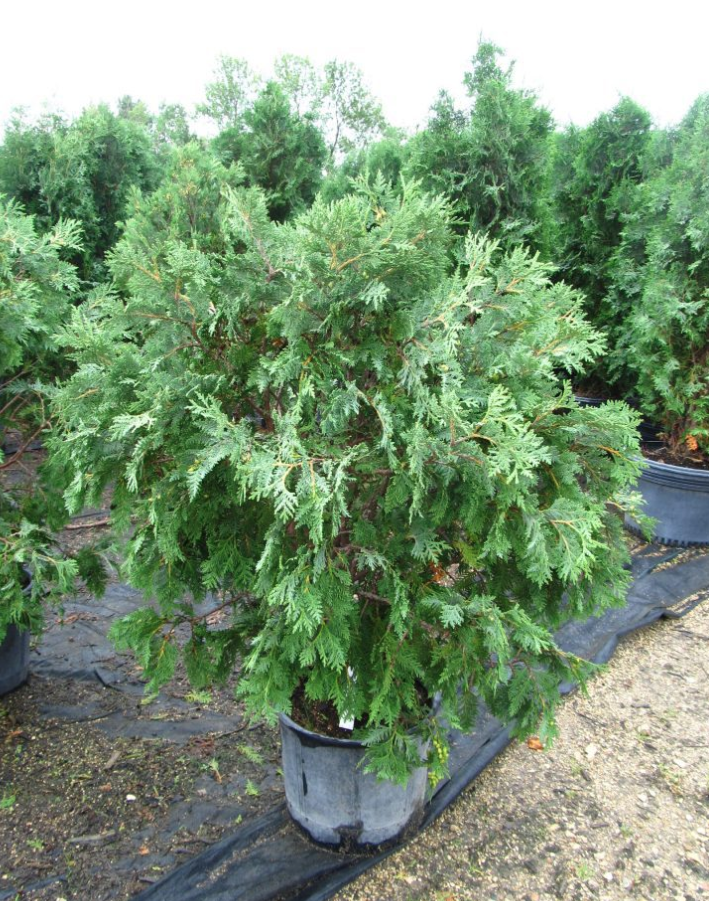
Wareana , also known as Siberian Cedar grows to 10' in height and makes a large wide hedge or in a corner spot. This cedar is very hardy and has minimal risk for winter burn.
Light Requirement: Full Sun
Height: 10'
Width: 6 - 8'
Zone: 2
Photo and data courtesy of Jeffries Nurseries
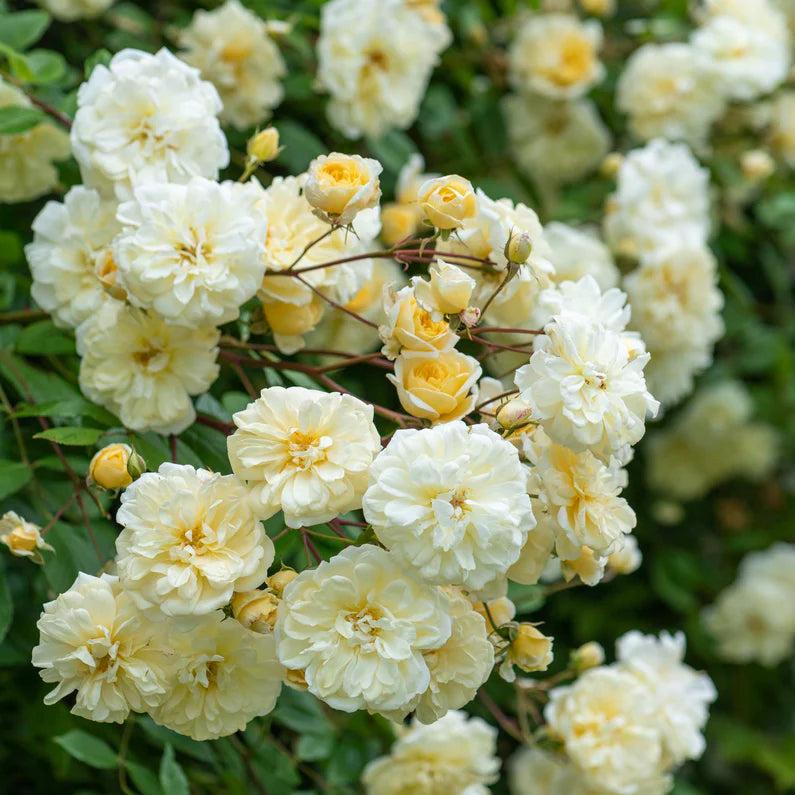
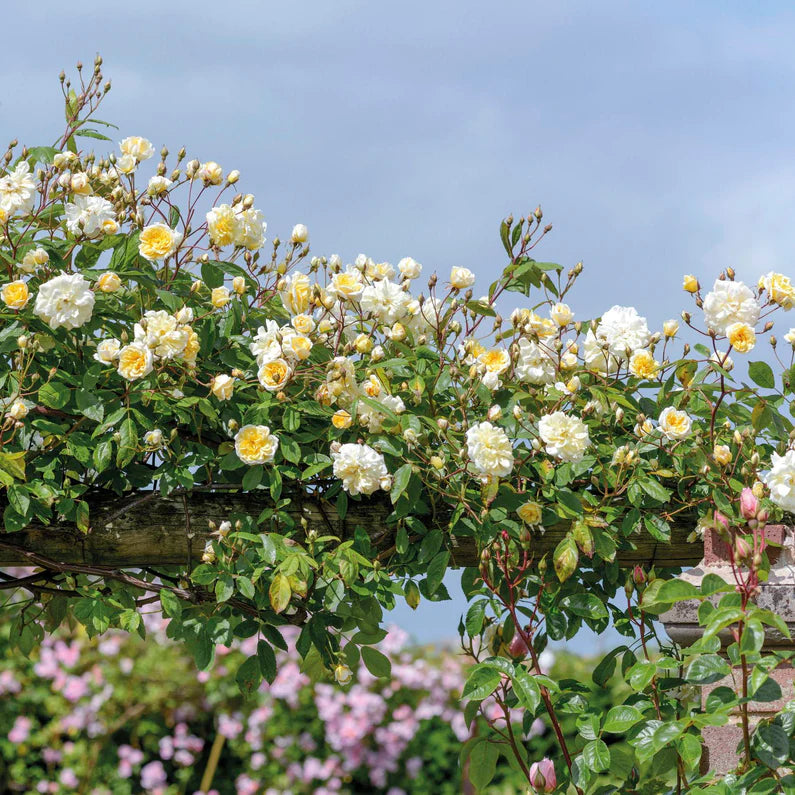
David Austin Roses were not developed for Zone 3. BUT it is possible to have success here in Manitoba by following a few key tips.
You have three options, you can enjoy your David Austin Rose for a single season. You can plan to bring your potted David Austin Rose into a warmer winter environment, or you can plant it into the ground.
Choose a location that is not in line with strong north winds
Plant the crown (this is where the roots end and the woody shrub begins) of your rose 6”-12” below the surface of the soil. As your shrub will be in full leaf at time of purchase you can clean off leaves that will get buried if you like.
In the fall you will need to cover with a deep layer of mulch. Wood mulch, straw, leaves or a combination of all. Use a burlap tarp (Not Plastic) to cover and hold down with rocks or stakes. This will ensure the mulch is not blown away. A full wheelbarrow or more per rose is not out of the question. Throughout the winter direct your snow clearing efforts to cover your roses as well. The more insulation the better.
Don’t remove the tarp and mulch until night temperatures are consistently hovering about zero to +3 with no threat of deep freeze, as we sometimes see in April.
We hope you enjoy growing your David Austin Rose.


Pink-tinged buds open to medium-sized cups held in large clusters. Pale yellow, paling to white at the edges; each has a rich yellow eye. The fragrance is similar to green tea with aspects of lemon and honey. It forms a bushy, upright shrub. Named for the artist, designer and founder member of the Bloomsbury Group – sister of the writer, Virginia Woolf.
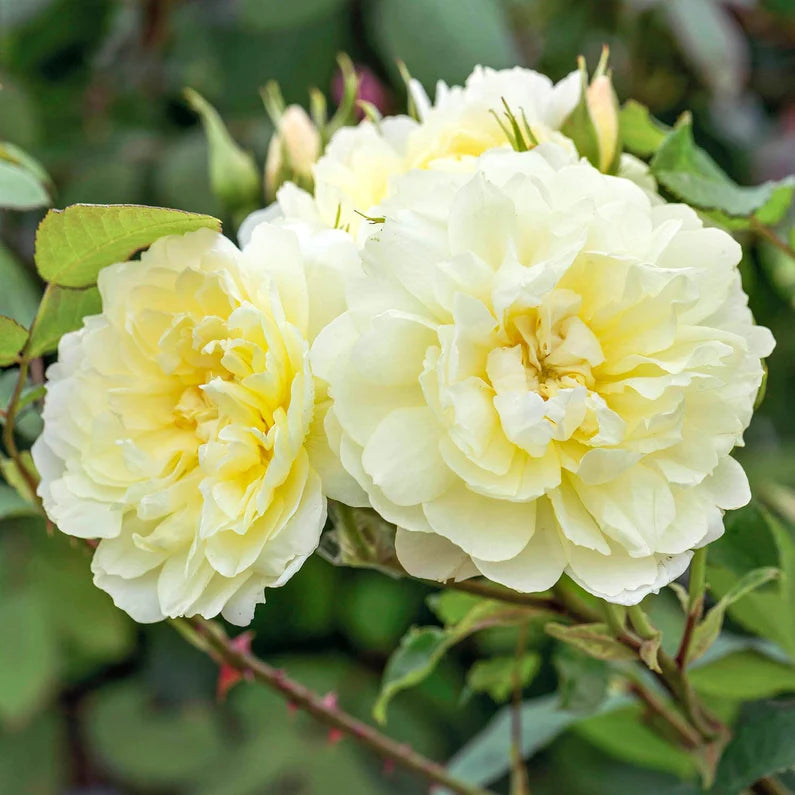
Bears pretty, lightly scented, pale yellow blooms, fading almost to cream. The many delicately frilled petals are arranged around a button eye. It forms a sturdy, quite upright shrub with glossy foliage. Named after the character in Shakespeare's Cymbeline. David Austin, 2016.
David Austin Roses were not developed for Zone 3. BUT it is possible to have success here in Manitoba by following a few key tips.
Choose a location that is not in line with strong north winds
Plant the crown (this is where the roots end and the woody shrub begins) of your rose 6”-12” below the surface of the soil. As your shrub will be in full leaf at time of purchase clean off leaves that will get buried.
In the fall you will need to cover with a deep layer of mulch. Wood mulch, straw, leaves or a combination of all. Use a burlap tarp (Not Plastic) to cover and hold down with rocks or stakes. This will ensure the mulch is not blown away. A full wheelbarrow or more per rose is not out of the question. Throughout the winter direct your snow clearing efforts to cover your roses as well. The more insulation the better.
Don’t remove the tarp and mulch until night temperatures are consistently hovering about zero to +3 with no threat of deep freeze, as we sometimes see in April.
We hope you enjoy growing your David Austin Rose.


Soft orange-red buds open to medium-sized, cupped rosettes of perfect apricot coloring. They are extremely robust and have a lovely fruity Tea scent. Very healthy; it matures into an attractive, rounded, bushy shrub with few thorns. Named to mark the centenary of Roald Dahl’s birth, with the approval of his wife, Liccy Dahl – the colouring reminiscent of the eponymous peach in James and the Giant Peach.
David Austin Roses were not developed for Zone 3. BUT it is possible to have success here in Manitoba by following a few key tips.
_________________________________________________________________________
You have three options, you can enjoy your David Austin Rose for a single season. You can plan to bring your potted David Austin Rose into a warmer winter environment, or you can plant it into the ground.
If you decide to enjoy your rose for the summer:
Feel free to drop your potted David Austin Rose into a decor pot of your liking, but do not pot it up into a larger size planter. You do not want to set back your rose. We use our Rose and Perennial Mix when potting up all our David Austin Roses and other than fertilizing your rose every other week they are simple to care for. In our experience you should have blooms from late June right through till fall.
If you decide to grow and over winter your rose in a pot:
First, you must be sure you have a place to overwinter your David Austin Rose and you should pot up your rose into a planter large enough for min of 2 years growth, using our rose and perennial mix.
Do not use pro mix.
A heated garage or sunroom that can be set between -2C and -5C. You will also need to keep your rose away from doors that open to -35C or colder. Your Rose needs to go dormant for a few months. Once the temp is over zero C you will see your rose begin to send out new shoots. At this point natural light is necessary and the temperature should not go below -1C at night. It is important to keep your shrub moist but not wet. Check temperature regularly. Do not bring it into the house! Roses can handle cool nights and warmer days.
If you decide to plant your rose in the ground:
Choose a location that is not in line with strong north winds
Plant the crown (this is where the roots end and the woody shrub begins) of your rose 6”-12” below the surface of the soil. As your shrub will be in full leaf at time of purchase you can clean off leaves that will get buried if you like.
In the fall you will need to cover with a deep layer of mulch. Wood mulch, straw, leaves or a combination of all. Use a burlap tarp (Not Plastic) to cover and hold down with rocks or stakes. This will ensure the mulch is not blown away. A full wheelbarrow or more per rose is not out of the question. Throughout the winter direct your snow clearing efforts to cover your roses as well. The more insulation the better.
Don’t remove the tarp and mulch until night temperatures are consistently hovering about zero to +3 with no threat of deep freeze, as we sometimes see in April.
We hope you enjoy growing your David Austin Rose.


An exceedingly pretty rose of soft, glowing apricot-pink, each bloom packed with numerous delicately ruffled petals. Held on red-tinged stems, the blooms begin as shallow cups, opening to full rosettes, revealing petals of a richer hue, which gradually pale over time. They have a delicious strong fruity fragrance. A very healthy variety; itmakes a strong, vigorous shrub with bushy, upright growth. Named after the flawed heroine of Thomas Hardy’s, The Return of the Native.


The flowers start as small buds, opening to full petalled, wide open rosettes of a bright crimson-red. As the flowers age, the blooms becomes dome-shaped while the colour – unusually for the English Roses – gradually intensifies. It forms a very bushy, neatly rounded shrub with slightly arching growth. Named after the well-known writer, journalist and broadcaster.
David Austin Roses were not developed for Zone 3. BUT it is possible to have success here in Manitoba by following a few key tips.
Choose a location that is not in line with strong north winds
Plant the crown (this is where the roots end and the woody shrub begins) of your rose 6”-12” below the surface of the soil. As your shrub will be in full leaf at time of purchase clean off leaves that will get buried.
In the fall you will need to cover with a deep layer of mulch. Wood mulch, straw, leaves or a combination of all. Use a burlap tarp (Not Plastic) to cover and hold down with rocks or stakes. This will ensure the mulch is not blown away. A full wheelbarrow or more per rose is not out of the question. Throughout the winter direct your snow clearing efforts to cover your roses as well. The more insulation the better.
Don’t remove the tarp and mulch until night temperatures are consistently hovering about zero to +3 with no threat of deep freeze, as we sometimes see in April.
We hope you enjoy growing your David Austin Rose.

The flagship cultivar in the Iseli® Blues collection, Moonstone® is an Iseli exclusive improvement of the popular globe blue spruce. This well-mannered little gem has bright blue foliage and maintains a compact, rounded form from youth to maturity. The perfect size and shape for suburban gardens, you can rely on Moonstone® to add an easy-care pop of vivid blue to your landscape for years of enjoyment.
Picea pungens Moonstone® (‘INHWB’ PP34,321)
- Garden Size: 2’H x 2’W
- Growth Rate: 1-3″/year
- Iseli® Introduction
- Hardiness Zone: 2
- Globe Shaped
- Full Sun
- Blue Needle


Acer x pseudosieboldianum Arctic Jade® is a member of our Jack Frost® collection of hybrid maples and is an excellent substitute for less hardy Japanese maples in harsh climate conditions. It has large green, deeply cut leaves reminiscent of A. japonicum ‘Aconitifolium’ with an excellent branching habit. In autumn, the foliage is an impressive canvas for the dazzling fusion of orange and red tones.
- Garden Size: 20’H x 15’W
- Growth Rate: 12-15″/year
- Iseli Introduction!
- Hardiness Zone 4
- Broad Upright
- Sun to Partial Shade
- Green Garden Maple

A Norway maple survivor selected off the streets of Lethbridge, Alberta. Features rich, purple foliage throughout the summer. Requires well-drained, sheltered site in the prairies. Collector tree for the prairie gardener. Yellow clustered petalless flowers.
Light Requirement: Full Sun
Height: 40'
Width: 30'
Zone: 4
Photo and data courtesy of Jeffries Nurseries

Patmore Ash is a fast-growing, hardy shade tree with a strong upright form and dense green foliage that turns yellow in fall. It’s cold-tolerant, durable, and ideal for streetscapes or large landscapes. Seedless.
Light Requirement: Full Sun
Mature Size:
-
Height: 50'
-
Width: 20'
Zone: 2
Photos coming soon.

Excellent flowering tree in residential and commercial plantings. Klondike is a four season ornamental with outstanding bark colour throughout the winter months.
Light Requirement: Full Sun
Height: 26'
Width: 15'
Zone: 3
Photo and data courtesy of Aubin Nursery and Bellwyck Horticolor.

Very short needles earned Picea pungens ‘Bonny Blue’ its name and fame. The tiny, narrow needles are bright blue and they are closely arranged with an angle that is acute to the stem. Slower growing than the species when young, the tree, selected by Roger Mackiness, Corbett, Oregon, matures into a large formal stature.
B&B 4'-5' tall
Garden Size: 20’H x 15’W
Large: 15+″/year 40' at maturity
Broad Upright
Zone 2
Blue
Conifer
Full Sun

Wolterdingen Japanese Larch
The compact, spreading Larix kaempferi ‘Wolterdingen’ provides exceptional seasonal interest for small landscapes and rock gardens. In early spring, soft, new, blue-green needles emerge and continue to decorate the delicate mound through the growing season. In fall, needles change to rich yellow before they fall to show off ornamental, reddish brown branches with scales reminiscent of an armadillo’s armor. Discovered in a park in Wolterdingen, Germany in 1970, by G. Horstmann.
Garden Size: 4’H x 8’W
Intermediate: 3-6″/year
Spreading
Zone 3
Green
Conifer
Full Sun

With the improved Cherry On Top™ Sorbaria, experience this plant’s classic foliage beauty, with the added benefit of the perfect topping to complete your enjoyment. After the white plume flowers finish, savor clusters of bright, fresh-looking red seed pods instead of the traditional dried brown seeds. This extends the seasons of beauty you can enjoy through summer and fall.
Light Requirement: Full Sun to Partial Sun
Mature Size:
- Height: 4' - 5'
- Width: 4' - 5'
Zone: 3
Photos courtesy of Jeffries Nursery

From $189.95
Unit price perFrom $189.95
Unit price perA seedling of 'Toba' with improved cold hardiness. Known for its double white flowers and sparse fruit.
Light Requirement: Full Sun
Height: 20'
Width: 15'
Zone: 3
Photo and data courtesy of Jeffries Nurseries

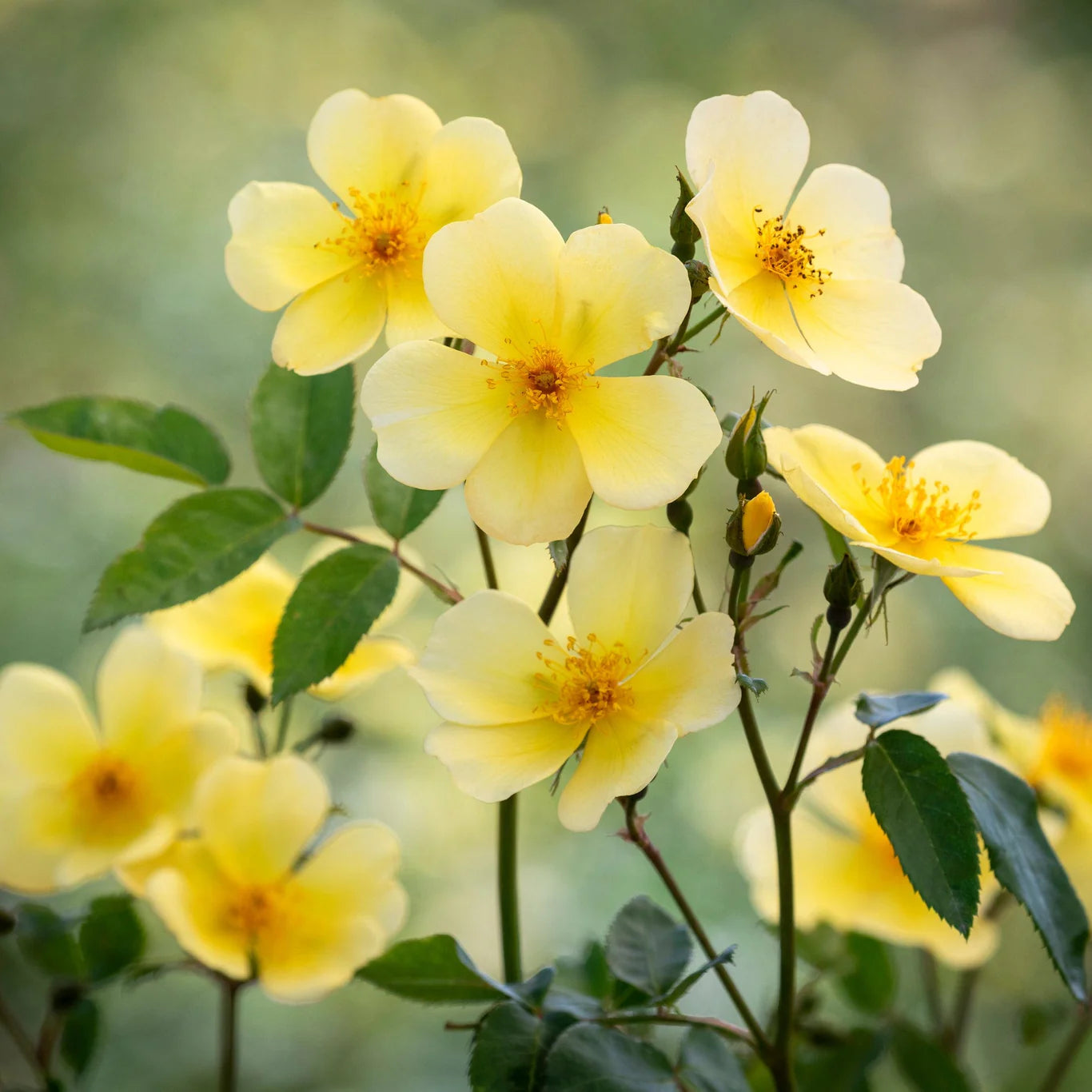
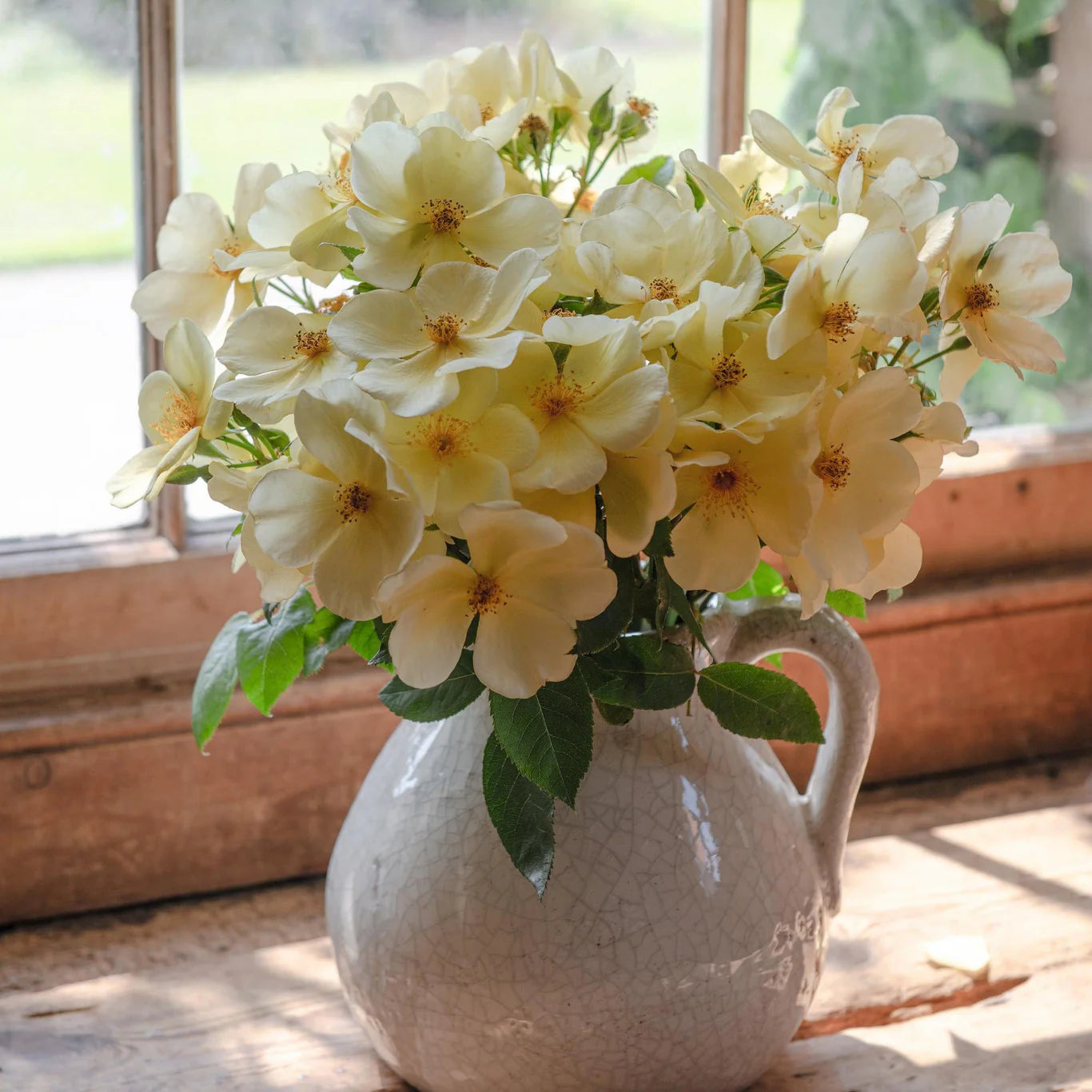
Its beauty is found in the simplicity of its single yellow flowers and the spectacular display they create when viewed en masse. They are held in large, open sprays on a rounded, branching shrub. Named to celebrate the 25th anniversary of Annie Tempest’s classic weekly cartoon.
Used for Rose Hips.


Bears medium-sized neat rosette blooms – tinged with orange at first, quickly becoming rich yellow. It has a light-medium musky Tea Rose scent. The growth is compact, even and upright. Named after Wolverhampton Wanderers’ football stadium.

‘Roundabout’ is a compact, green garden orb. Perhaps its color is better described as viridian, a sort of bluish green. Whatever color you perceive, it is a super hardy, symmetrical addition to the garden, like a spherical topiary that never needs shearing. Slow growing with needles in perfect scale to its small size, ‘Roundabout’ is a winner for today’s smaller landscapes. Loves full sun and well drained soil. ‘Roundabout’ was discovered at Iseli Nursery as a witch’s broom growing on Picea pungens ‘Green Spire’.
Picea pungens Iseli® ‘Roundabout’
- Garden Size: 3’H x 2’W
- Growth Rate: 2-4″/year
- Iseli Introduction
- Hardiness Zone: 2
- Globe Shaped
- Full Sun
- Green

Larix gmelinii ‘Romberg Park’ is a superb dwarf, deciduous conifer that will develop tufts of short branches giving it appeal in all seasons. In early spring, it is one of the first to push growth, programmed from its cold native habitat and short growing season to take full advantage of warming temperatures. The softly textured, light green needles change to yellow in fall, and then drop to reveal the plant’s many short stems for winter interest. Plant in light, well-drained soil in a sunny garden.
Garden Size: 6’H x 6’W
Dwarf: 3-6″/year
Globe Shaped
Zone 2
Green
Full Sun