
1667 products
1667 products
Sort by:
Best Selling Products

Patio Snacker cucumber seeds produce compact little plants that grow to only 90-150cm (36-60"), but producing numerous full-sized slicing cucumbers from mid-summer on. Trellis the little plants, or try them in a hanging basket and allow the short vines to spill over the sides. Patio Snacker was bred with the small-space gardener in mind, so it's ideal for balcony growing. Be sure to keep the plants picked so that new flowers and fruits continue to come.
Matures in 50-55 days. (Hybrid seeds)
- Perfect for patio containers
- Regular sized cucumbers
- Compact growth
- Matures in 50-55 days
- Hybrid seeds
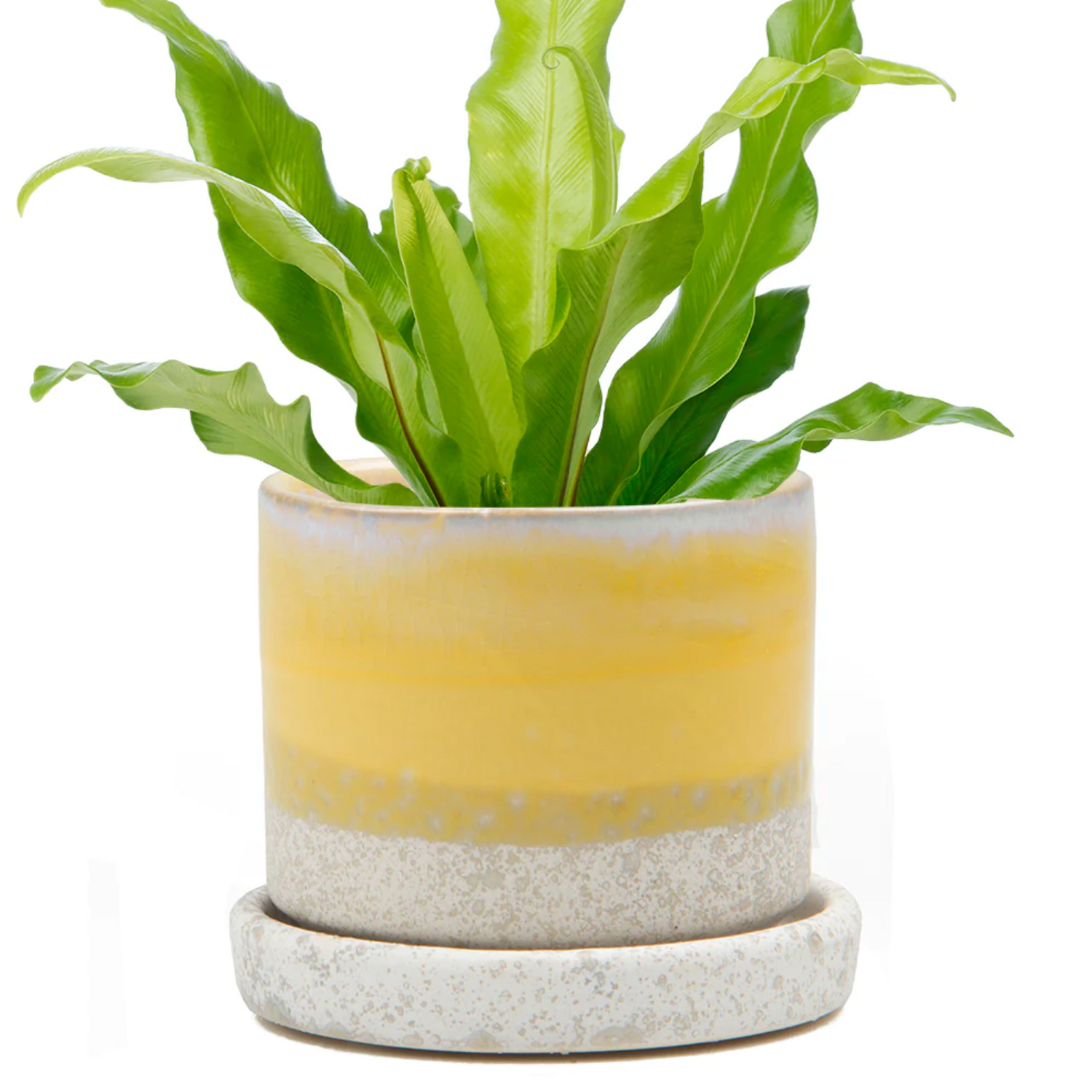
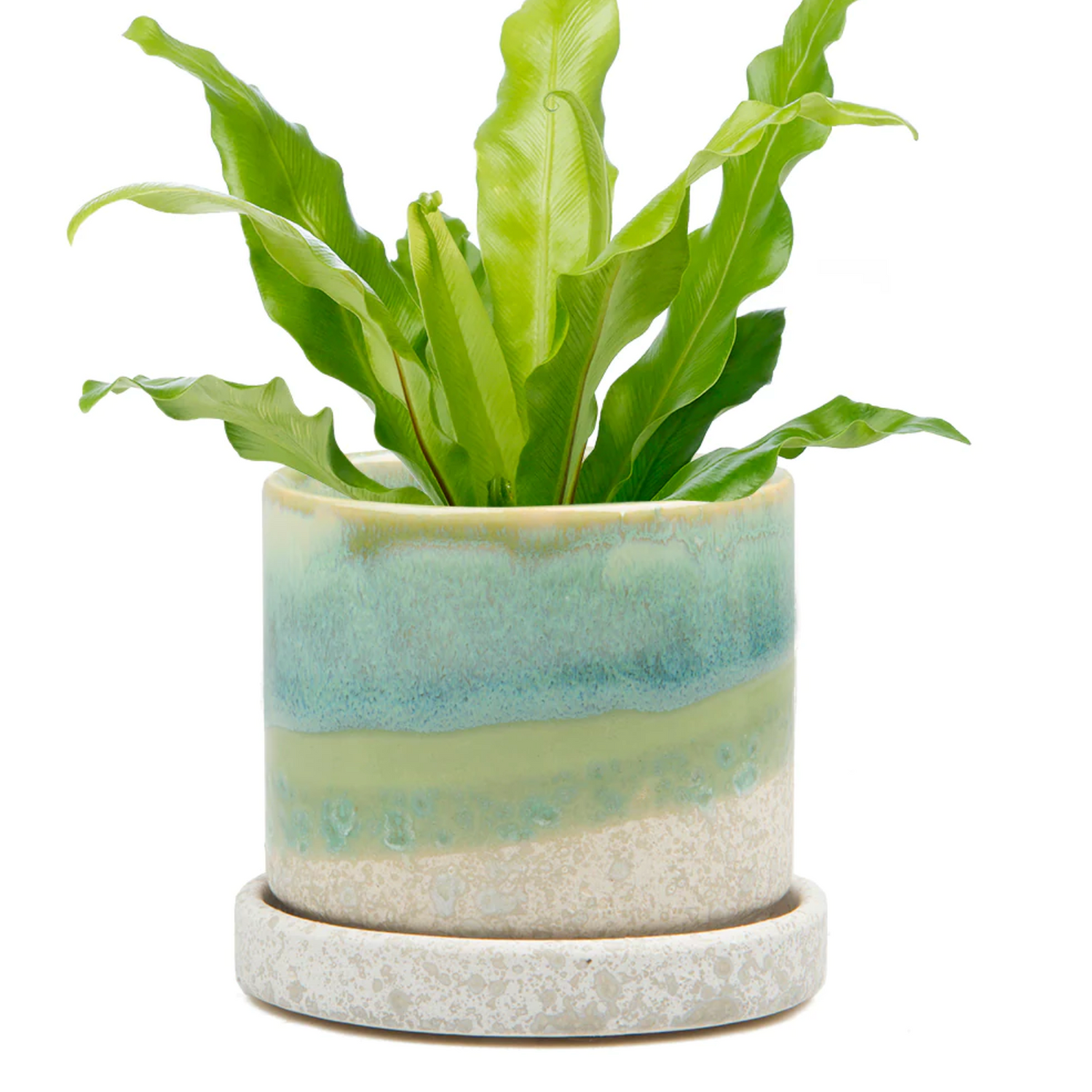
Material: Ceramic Glazed
Opening: 3" & 5"
*Plants not included.
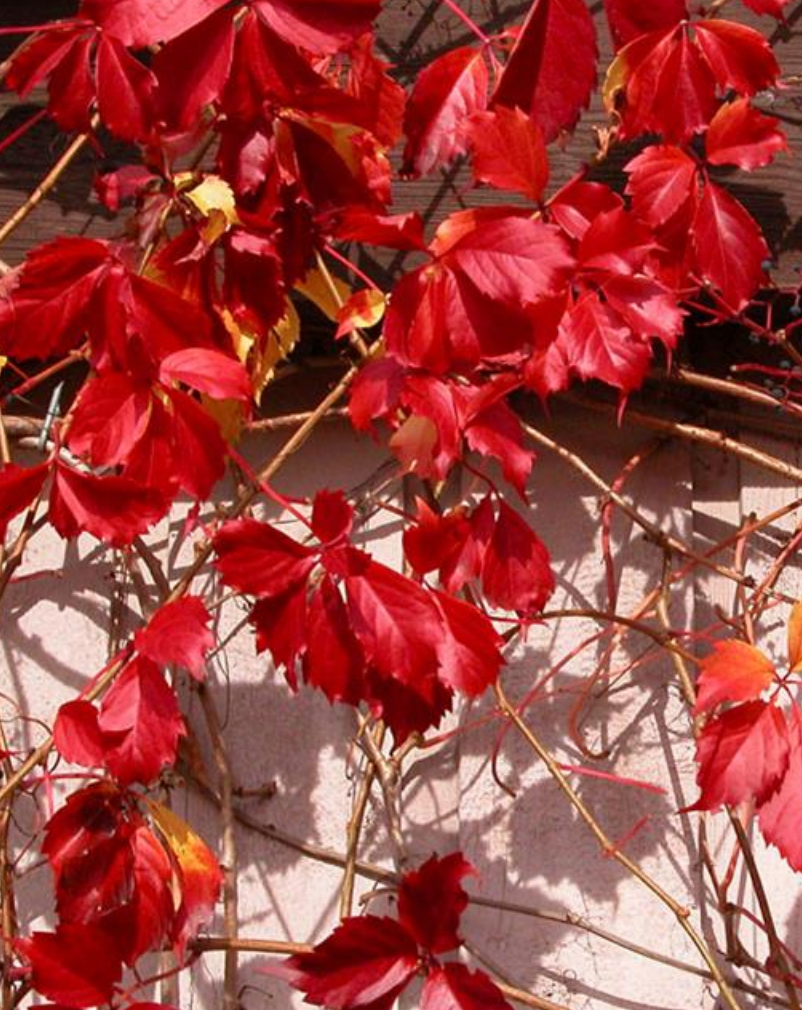
This vine is part of the five-leaved ivy family. It has a habit of clinging and is a fast and hardy grower. It can work as a climber or as a ground cover. The foliage is smaller in size and with palm-shaped leaves. During Fall the leaves will become a burgundy red color with ornamental black berries that are toxic to humans.
Less vigorous than the virginia creeper.
Light Requirement: Full Sun to Partial Shade
Mature Size:
- Height: 15' -20'
- Width: 6'
Zone: 3

Delphiniums are the stars of the early summer border. Plants form a low mound of deeply-cut green leaves, bearing tall spikes of satiny flowers. Removing faded spikes at the base will encourage repeat blooming in fall.
Cut back hard to encourage fresh foliage. Use a high phosphorous fertilizer each year, in early spring.
Hot, humid summers can bring on potential mildew.
Light Requirement: Full Sun
Flowering Season: Summer
Mature Size:
-
Height: 60"
-
Spread: 24"
Zone: 3
From $9.95
Unit price perFrom $9.95
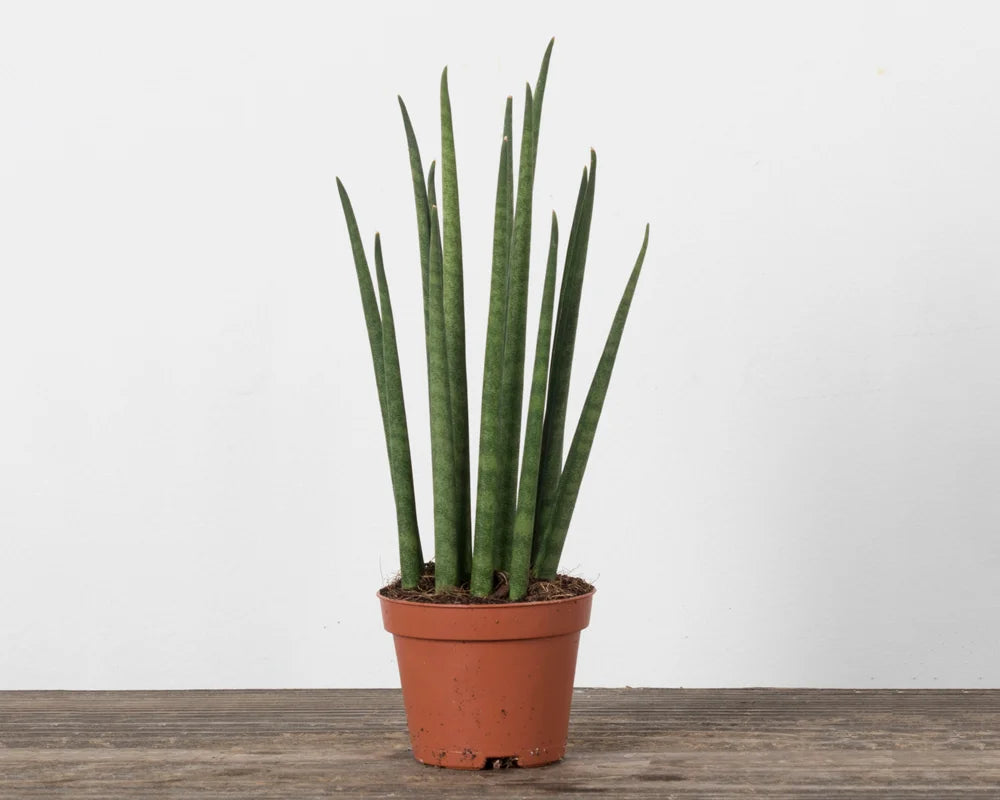
Unit price perThis Sanseveria Fernwood Mikado is a tough, low-maintenance houseplant that produces beautiful tiger-striped leaves.
It purifies the air through photosynthesis, storing carbon dioxide and releasing oxygen from its pores at night, creating a healthier environment for your home. Grows between 16-18'' high with leaf width of 1-2''
For Best Growth Results...
Water when dry, take care not to overwater to avoid root rot.
Fertilize sparingly, no more than 2x a year
*Do not consume: moderately toxic to animals and humans, can cause some adverse reactions when ingested. In general we advise this for all plants.

4" pot
Cowboy Cactus is a distinctive and popular cactus species renowned for its iconic appearance and low-maintenance nature.
Light Requirement: Cowboy Cactus thrives in full sun, requiring at least 6 hours of direct sunlight daily to maintain its health and vibrant green color. Place it near a sunny window or in a location with ample sunlight exposure.
Watering Requirement: Allow the soil to dry out completely between waterings, then water deeply. Cowboy Cactus is highly drought tolerant and susceptible to root rot if overwatered. During the winter months, reduce watering frequency to mimic its natural dormant period.

During its flowering season, this tall and spreading shrub stands out as one of the most dazzling additions to any garden. Adorned with a profusion of double pink flowers, it transforms into a consistently ethereal spectacle in early spring. This shrub does not produce fruit but serves as a splendid choice for showcasing in a garden or as a stand-alone specimen. It thrives best in full sunlight and well-drained soil conditions.
Light Requirement: Full Sun to Partial Shade
Mature Size:
- Height: 6' - 8'
- Width: 6' - 8'
Zone: 2
Photos courtesy of Jeffries Nursery
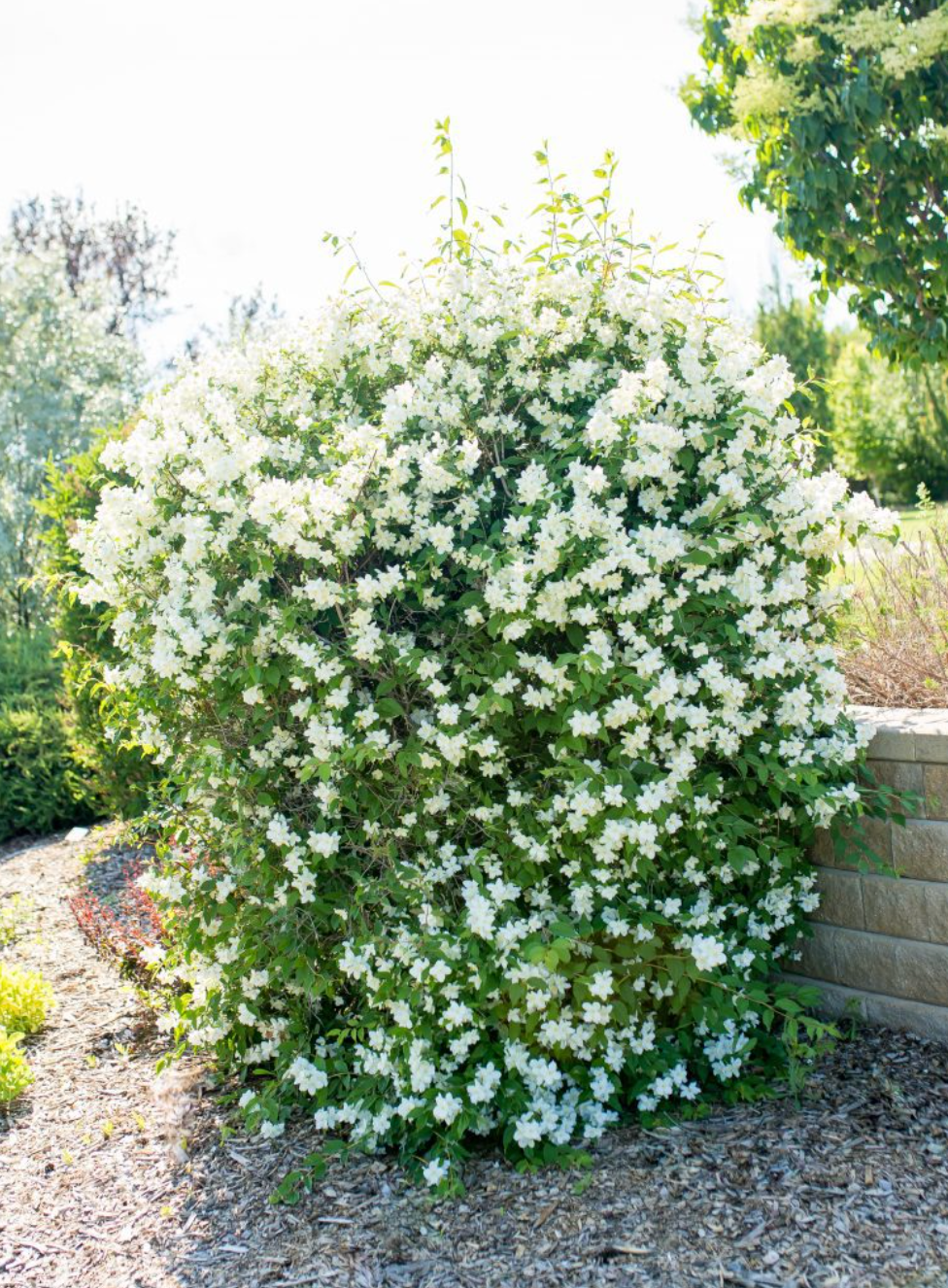
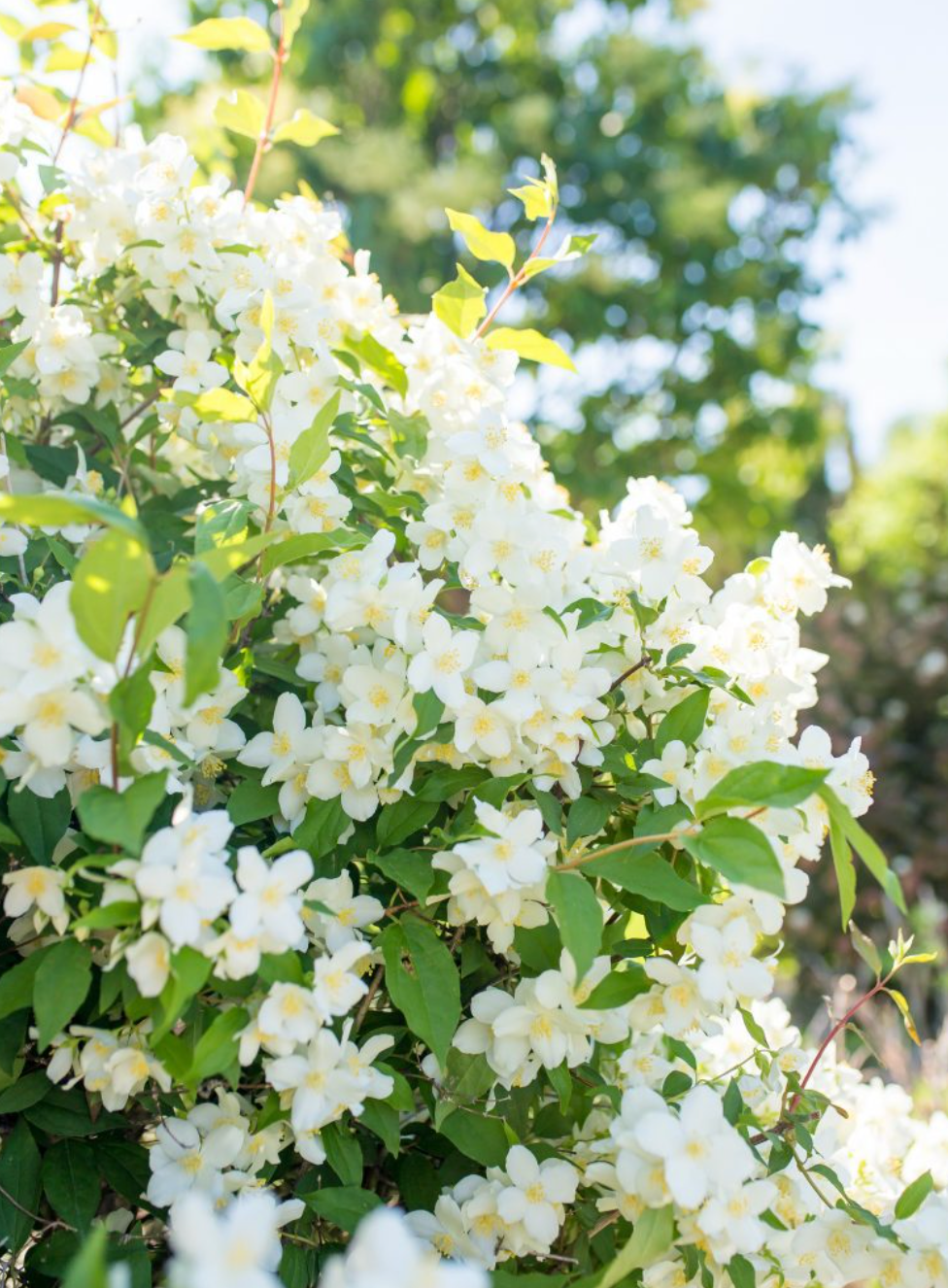
Easily grown in average, medium moisture, well-drained soils in full sun to light shade. Tolerates a wide range of soils except poorly-drained ones. Prefers moist, organically rich soils. Flowers appear on prior year’s growth, so prune as needed immediately after flowering. May be cut to the ground (also just after flowering) if shrub becomes scraggly, unkempt or otherwise in need of rejuvenation. Very fragrant.
Light Requirement: Full Sun to Partial Shade
Mature Size:
- Height: 5' - 6'
- Width: 5'
Zone: 2
Photos courtesy of Jeffries Nursery

String of Turtles (Peperomia prostrata)
The String of Turtles is a delicate trailing houseplant adored for its small, round leaves patterned with intricate, turtle shell-like markings in shades of green and silver. Its cascading growth habit makes it a charming choice for hanging baskets, shelves, or terrariums.
Light Requirement:
Prefers bright, indirect light to maintain its detailed leaf markings. Can adapt to medium light but will lose vibrancy if kept too dim. Avoid direct sun, which may scorch the foliage.
Watering Requirement:
Water moderately, allowing the top layer of soil to dry between waterings. Peperomia prostrata prefers slightly moist but well-draining soil. Be careful not to overwater, as its fine roots are prone to rot.
Mature Height:
Typically remains compact, with trailing vines that can reach 12–18 inches long over time. Its petite size and slow growth make it a perfect choice for small spaces and decorative displays.
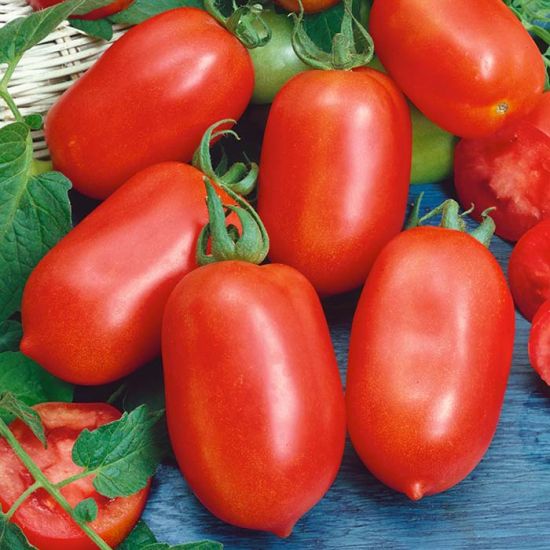
This classic tomato is best known of its uses in making tomato pastes. Features few seeds and a rich, meaty interior. This variety is also commonly used for making sauces and ketchup. This productive plants bear 85 g pear-shaped fruit and boast disease resistance. Used for canning, fresh eating and cooking
Suggestions: Keep tomatoes away from all members of the Brassica family: cabbage, cauliflower, etc. Eliminate blossom end rot problems by deep watering the plants so that the root system will be less affected by fluctuations in soil moisture.
Light Requirement: Full Sun
Mature Size:
- Height: 36 - 40"
- Width: 8 - 12"
Photos and Data Courtesy of Ball Seed


Large: Height: 6" Opening: 5.75"
Medium: Height 4.5" Opening: 4.25"
Small: Height: 4" Opening: 3.75"
Material: Cement


Bone Meal Plus 4-13-0+13Ca is ideal for planting trees, shrubs, perennials, vegetables and bulbs, including onions and garlic. Promotes strong roots, abundant fruit and colourful flowers.


Creeping Jenny is a vigorous, spreading groundcover plant that can be very useful in moist, shady situations. Plants form a low mat of bright green rounded leaves, bearing bright golden-yellow flowers from late spring into the summer.
Excellent in pots and tubs, or cascading over walls. Too vigorous for the rock garden as the stems root into the ground wherever they touch, this plant is easily increased by simply moving new plantlets in spring or fall.
Will easily invade lawn and is difficult to get rid of, so plant cautiously.
Light Requirement: Full Sun to Part Shade
Height: 3 - 6"
Width: 10 - 12"

Salad Bowl lettuce seeds are a traditional stand-by for salad mixes. These large, lime-green rosettes resist bolting for a long time in summer and do not get bitter. The frilly, deeply cut oakleaf shape has excellent flavour and good texture. They add loft and character to salad mixes. Rapid cool-weather growth makes it a prime candidate for spring cold frame growing. This heirloom lettuce dates back to 1952, the year it was given a well deserved AAS Award. It's also a winner of the RHS Award of Garden Merit. Give it a try in patio containers to keep near the kitchen. The individual leaves are a nice addition to sandwiches, or just as garnishes.
Matures in 60 days. (Open-pollinated seeds)
- Looseleaf
- Frilly, deeply cut oakleaf shape with excellent flavour
- Heirloom dating back to 1952
- Open pollinated seeds
- Matures in 60 days

Golden Pothos has golden variegation along side deep green foliage.
Bright indirect light is preferred.
Water every 7-10 days, ensuring the soil is at least halfway dry before the next watering
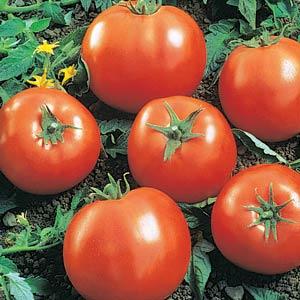
Beefsteak Tomatoes produce large, meaty, solid fruit that is slightly flattened and globe-shaped. With a mild and flavourful taste, it is good for salads and table use.
Makes for a great BLT!
Suggestions: Keep tomatoes away from all members of the Brassica family: cabbage, cauliflower, etc. Eliminate blossom end rot problems by deep watering the plants so that the root system will be less affected by fluctuations in soil moisture.
Light Requirement: Full Sun
Mature Size:
- Height: 48 - 60" (indeterminate)
- Width: 36 - 48"
Photos and Data Courtesy of Ball Seed

• Promotes more blooms and gorgeous colours on flowering plants to make them noticeably attractive.
• Contains essential micronutrients that nourish above and below the soil to ensure your plants get the nutrients needed to develop.
• Easy to shake and use on a variety of different annuals, perennials and roses.
• Feeds your flowering plants for up to 3 months.
Fertilizer percentage: 10-18-9

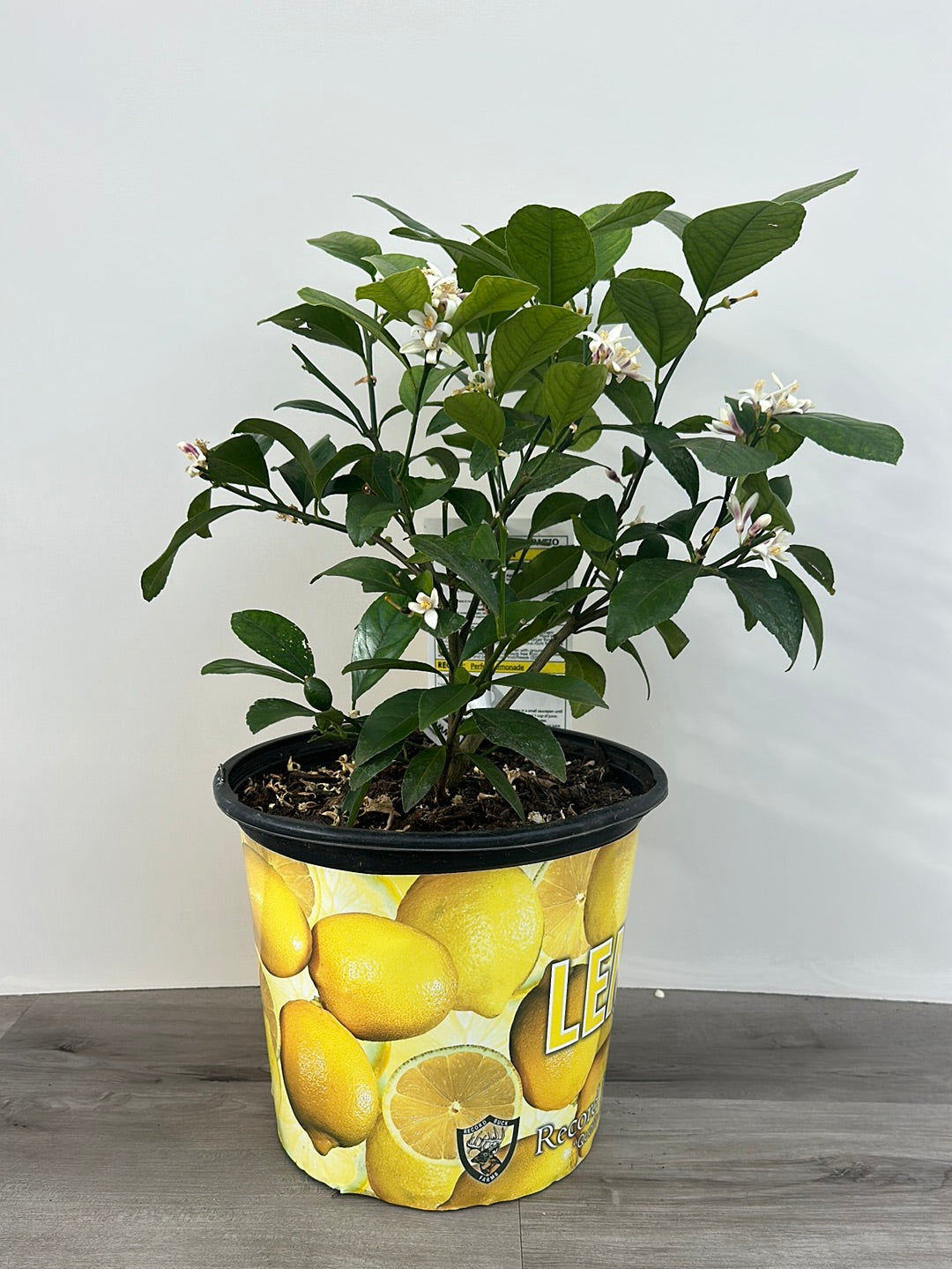
Indoor Citrus Plants, such as the popular Meyer Lemon or Key Lime, are aromatic and featuring glossy green leaves and fragrant white flowers that may develop into small, edible citrus fruits.
Light Requirement: Thriving in bright, direct sunlight, place indoor citrus plants in a location with ample natural light. They benefit from at least 8 hours of sunlight per day, making them suitable for sunny windowsills.
Watering Requirement: Keep the soil consistently moist but well-draining. Water when the top inch of the soil feels slightly dry. Ensure proper drainage to prevent waterlogged conditions, as citrus plants are sensitive to overwatering.
Mature Height: With a compact growth habit, indoor citrus plants can reach varying heights, commonly staying between 2 to 4 feet (60 to 120 cm). Pruning helps shape the plant and encourages healthy fruit production.
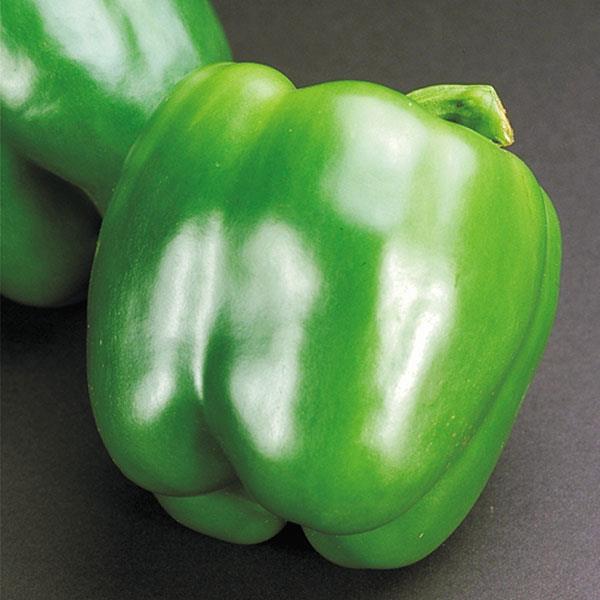
A perfect stuffing pepper – blocky, thick-walled, tender and flavorful.
Bell Peppers can be planted in gardens or into patio planters. We advise planting peppers no further than 8-10" apart and use good fertilizer.
Light Requirement: Full Sun
Mature Size:
- Height: 18 - 24"
- Width: 18 - 24"
Photos and Data Courtesy of Ball Seed


Parlsey is best used for cooking as it withstands heat and retains its flavor.
Curled parsley lightly easier to grow in a garden, has similar taste to Italian however it is more difficult to cook with due to the compact leaves. Most commonly found as a garnish.
Light Requirement: Full Sun
Mature Size:
- Height: 15 - 18"
- Width: 12 - 18"
Photos and Data Courtesy of Ball Seed & McKenzie Seeds

Whether you have a flower bed or vegetable garden Shake-N-Feed is an easy way to get your plants the nutrients they need, with easy spreading cap and refill bags it's no wonder this fertilizer a best-seller.
Safe for all plants--won't burn when used as directed.
Fertilizer Percentage:
All Purpose: 12-4-8
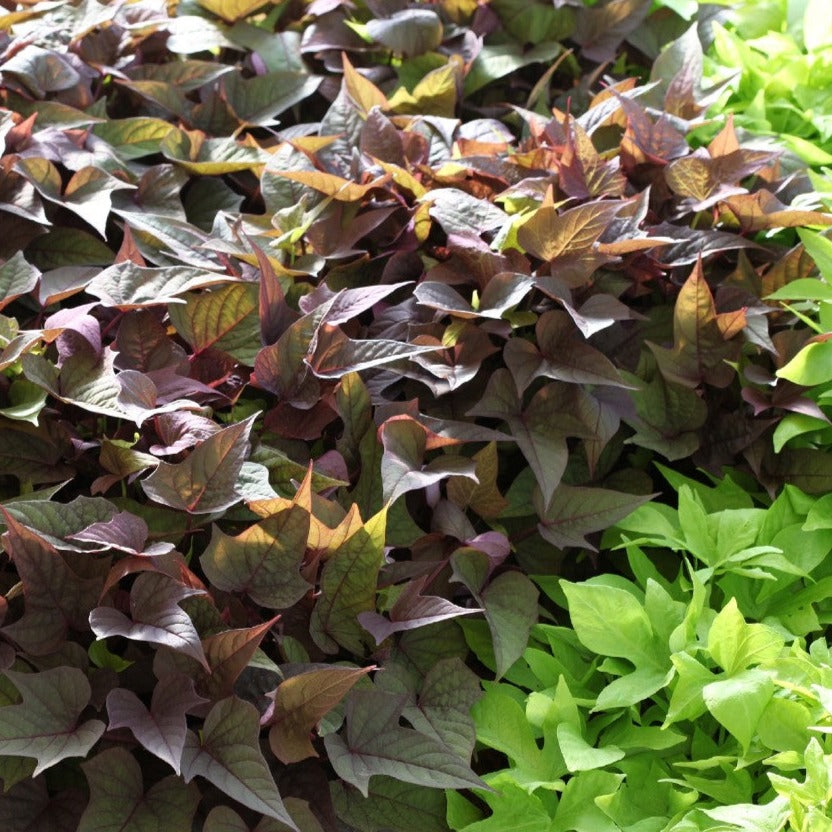
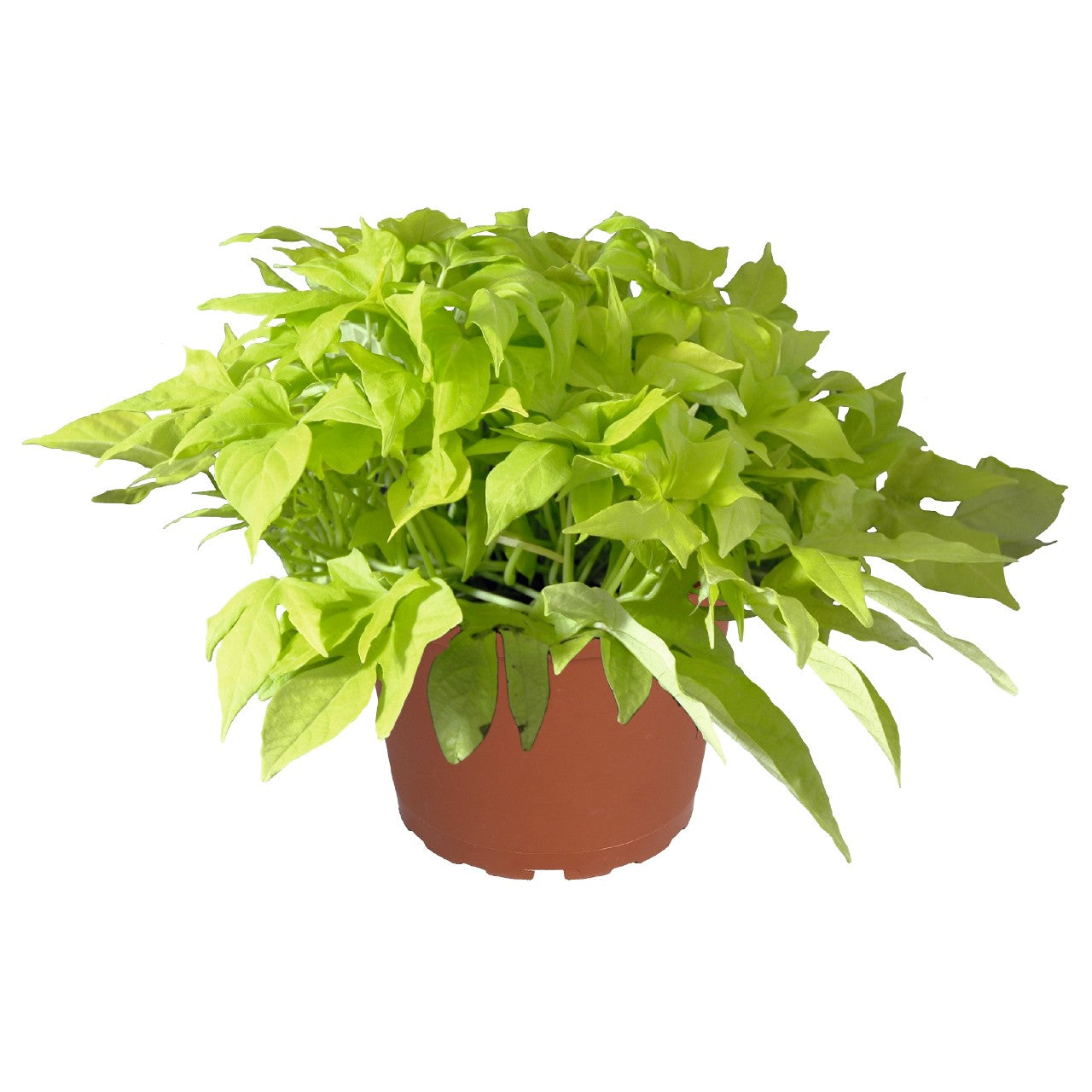
Densely branched with heart shaped leaves means this variety of Ipomoea holds its shape and colour in the landscape and mixed combos all Summer long, and it works well with companion plants.
Light Requirement: Full Shade to Partial Shade
Mature Size:
- Height: 6 -12"
- Width: 24 - 36"
Photos and Data Courtesy of Dummen Orange
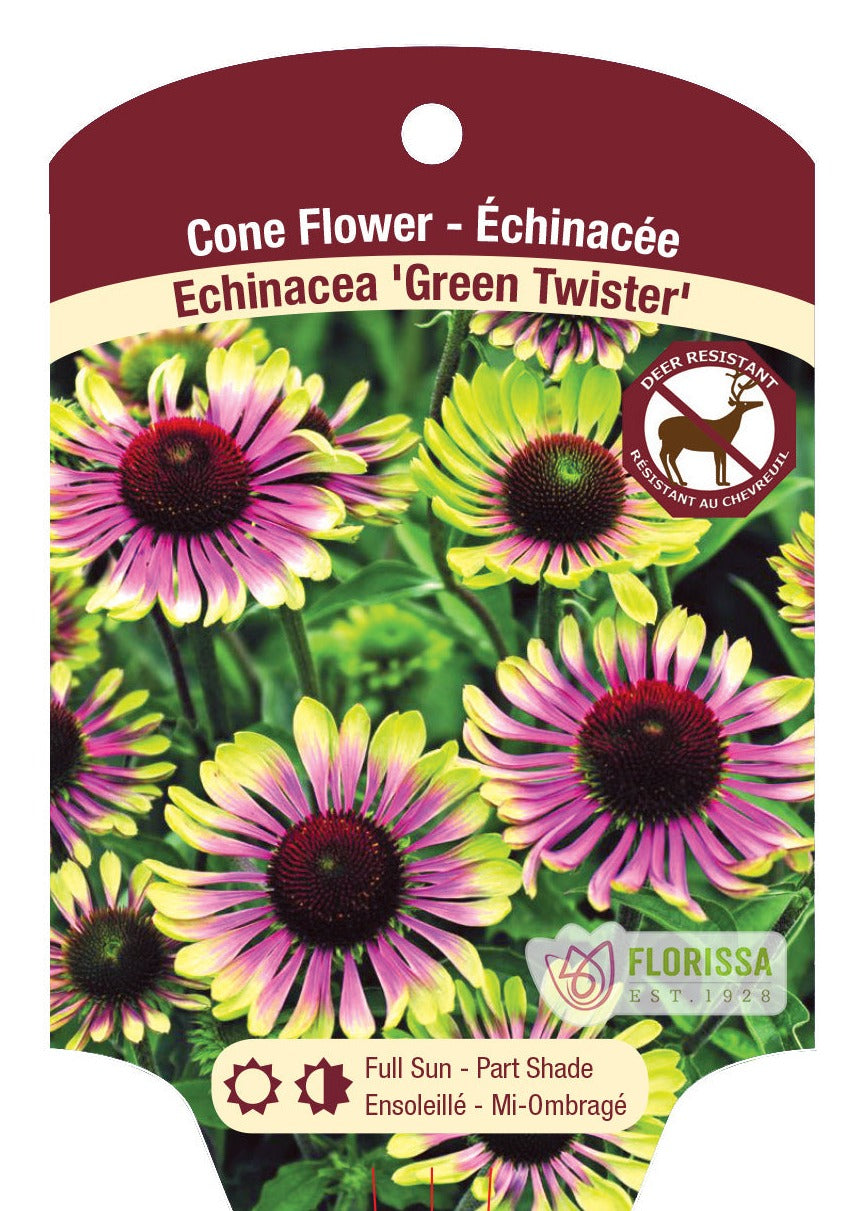
Light Requirement: Full Sun to Partial Shade
Flowering Season: Summer
Mature Size:
-
Height: 36 - 48"
-
Spread: 12 - 24"
Zone: 3
Photo and data courtesy of Van Noort Bulb Co. & Florissa.
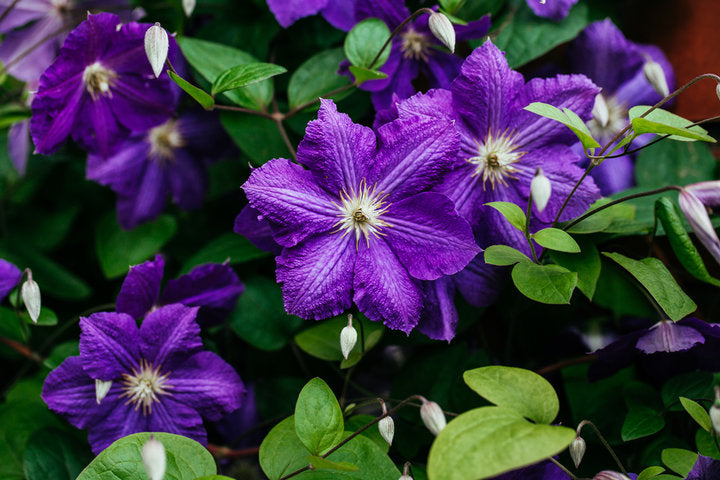
Among the most popular and easy to grow flowering vines, clematis are lovely deciduous vines which get covered with large single flowers. They grow best on a west facing wall, fence or arbour. Cover soil with mulch to keep the roots cool in the heat of the summer.
Light Requirement: Full Sun to Partial Sun
Mature Size:
- Height: 6 - 12'
- Width: 36 - 48"
Zone: 3
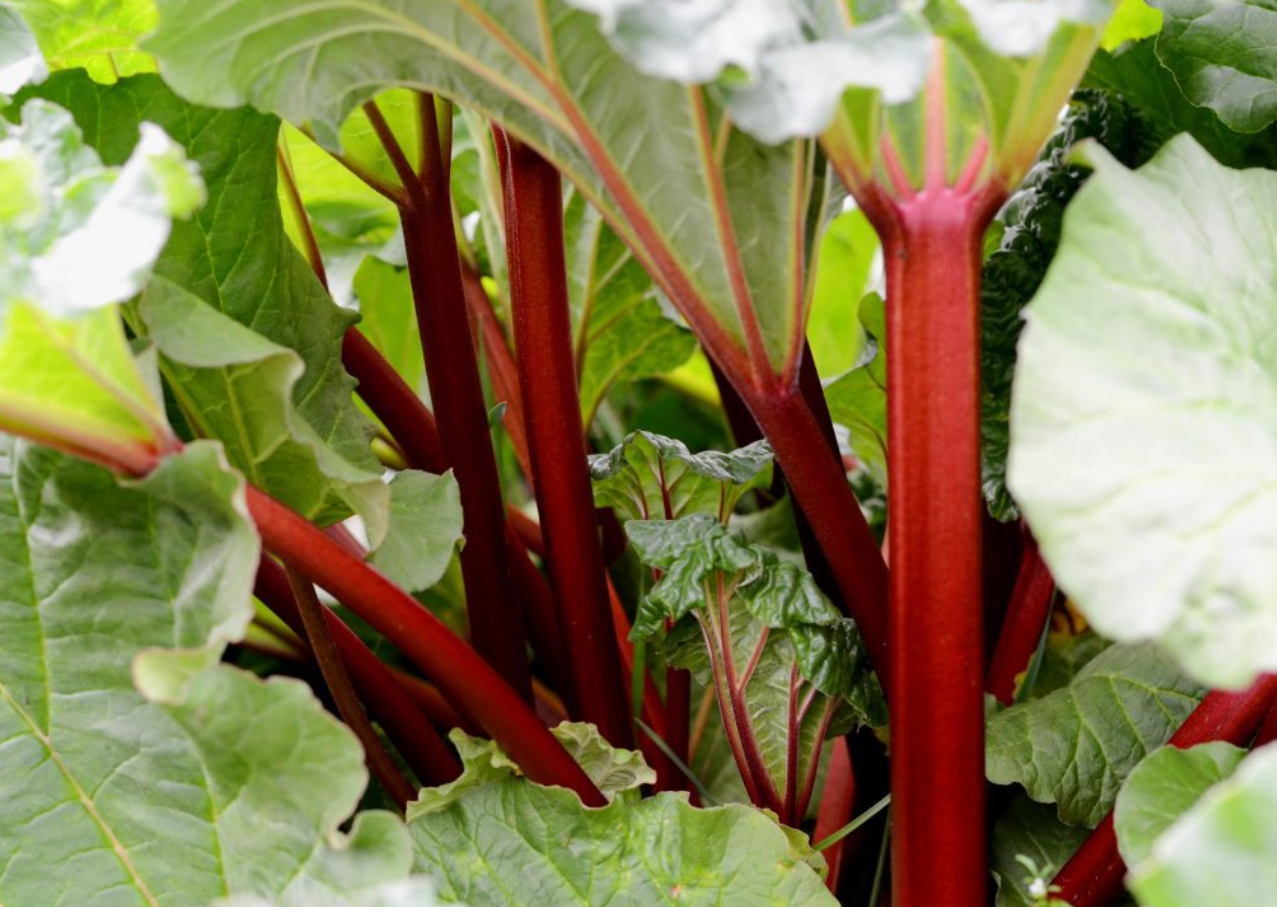
A garden classic, rhubarb is a long lived perennial that will give you pies for years. Grow in well drained sunny location.
photo courtesy of Jeffries Nursery

Starters
